
 EN
EN
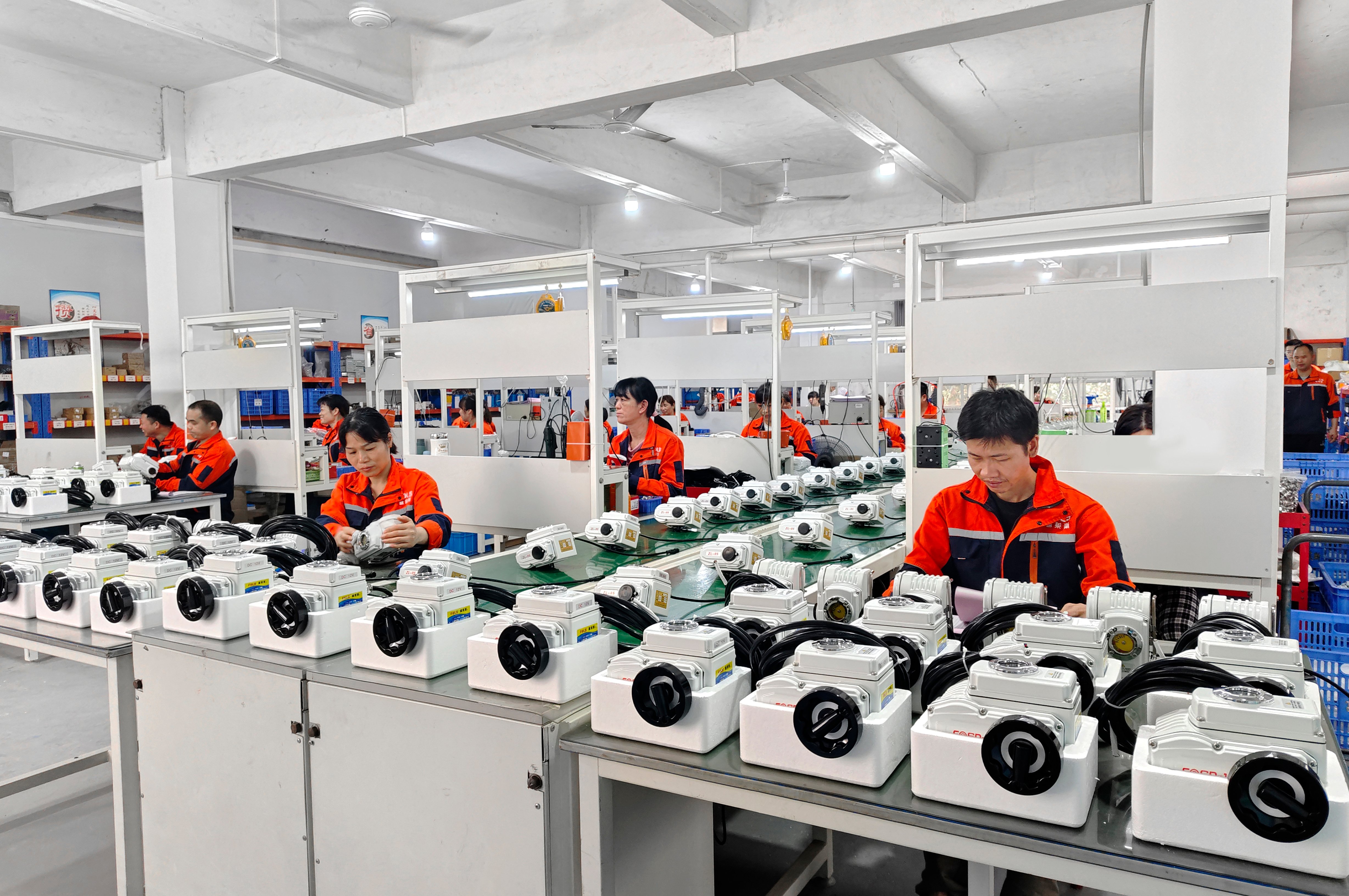
Understanding Common Electric Actuator Failures and Early Warning Signs
Top failure causes: power anomalies, environmental exposure, and mechanical fatigue
More than 40 percent of all industrial actuator failures actually stem from power problems. Voltage fluctuations really take their toll on control boards and motors, which ends up costing manufacturing plants around $740,000 each year in lost production time according to Ponemon's 2023 report. Then there's the environmental factor too. When actuators are exposed to harsh conditions, stuff like dust buildup and moisture gets into seals and electrical connections, speeding up the wear process significantly. And let's not forget mechanical fatigue either. The constant back and forth motion puts serious strain on gears and bearings over time. This becomes particularly problematic for equipment used in high cycle environments where it might go through over 5,000 operations every single month without stopping.
Critical symptoms to monitor—unusual noise, erratic cycling, and manual override failure
When bearings start wearing down or gears get damaged, we usually hear grinding or clicking noises. If there's a hissing sound coming from somewhere, that often means there's an air leak in those pneumatic systems. Then there's erratic cycling too. Sometimes things just don't move at consistent speeds anymore, or they stop halfway through their motion. These issues generally point toward problems with the control systems or maybe unstable power supply. Manual overrides failing to work properly? That's usually a sign something has seized up inside or the couplings aren't aligned correctly. Getting these problems sorted out early makes all the difference. Studies show that companies who implement predictive maintenance instead of waiting for breakdowns can cut their repair bills by around 60 percent. Makes sense really when you think about it.
Proactive Electric Actuator Maintenance and Inspection Protocols
IEC 61508-aligned preventive schedule for safety-critical applications
For actuators working in processes where safety matters most, following IEC 61508 maintenance guidelines makes all the difference. The standard basically requires companies to set up regular checkups that match how important the equipment is and what it actually does day to day. Take systems dealing with dangerous substances or those responsible for shutting things down in emergencies they need thorough checks every three months. These include running actual safety tests and making sure diagnostic tools work properly. Companies that stick to this planned maintenance see their risk of failures drop significantly around two thirds less than those who wait until something breaks before fixing it. That kind of reliability isn't just good for compliance it saves money too when considering downtime costs.
Essential inspection points: gear train lubrication, seal integrity, and thermal performance
Three pivotal inspection areas prevent catastrophic failure:
- Gear train lubrication: Check viscosity every 6 months; contamination accelerates wear threefold in high-cycled systems
- Seal integrity: Pressure-test seals annually—90% of ingress failures originate from deteriorated seals
- Thermal performance: Monitor operating temperatures monthly; persistent +15°C deviations above baseline indicate impending motor burnout
Correlating these metrics establishes predictive maintenance baselines that extend service life by 40%.
Electrical Troubleshooting for Industrial Electric Actuators
Systematic testing: voltage stability, continuity verification, and insulation resistance checks
Electrical faults account for over 60% of industrial actuator failures. A systematic approach begins with voltage stability verification using a multimeter to detect fluctuations beyond ±10% of rated specifications—preventing undervoltage-induced stalling or overvoltage-triggered PCB damage. Next, perform continuity verification:
- Isolate power sources using lockout/tagout protocols
- Visually inspect terminal blocks for corrosion or loose connections
- Trace circuit paths to identify broken conductors
Critical insulation resistance tests require a 500V DC test set. Values below 1 MΩ indicate moisture ingress or insulation degradation—major risks for ground faults in wet environments. These three tests resolve 85% of electrical malfunctions while reducing unplanned downtime by 40%.
Diagnosing Mechanical Issues in Electric Actuators
Vibration and noise analysis to differentiate bearing wear, coupling misalignment, and gear damage
When it comes to finding mechanical problems in equipment, spectral vibration analysis stands out as one of the best tools available. High frequency noises above 4 kHz usually point towards worn bearings or when there's not enough lubrication getting around. On the other hand, vibrations that match the speed of rotating shafts often mean something's wrong with how components are aligned. Damaged gears show up differently too they create clear harmonic patterns, especially when teeth mesh together, along with strange changes in torque levels. Technicians working on accurate diagnoses will grab their portable FFT analyzers to take measurements and compare them against manufacturer specs as well as those ISO 10816 standards for vibration severity. This helps determine if machinery needs attention before bigger issues develop.
| Fault Type | Vibration Pattern | Noise Profile | Diagnostic Confirmation |
|---|---|---|---|
| Bearing Wear | High-frequency spikes | Scraping/grinding | Accelerometer axial readings |
| Coupling Misalignment | 1x RPM harmonics | Rhythmic knocking | Laser alignment tools |
| Gear Damage | Tooth-meshing harmonics | Metallic clashing | Phase analysis & waveform inspection |
Quarterly vibration audits reduce unplanned downtime by 38% through early detection. When abnormalities exceed ISO 10816 Category III thresholds, immediate disassembly is critical to inspect for gear pitting, bearing race erosion, or coupling deformation—preventing cascading failures that compromise positioning accuracy.
Selecting Trusted Technical Support for Industrial Electric Actuators
OEM vs. certified third-party support: evaluating response SLAs, spare parts ecosystem, and diagnostic expertise
Technical problems happen, and when they do, deciding between original equipment manufacturer (OEM) support versus certified third-party services really comes down to looking at three main things. Let's start with service level agreements. Most OEM companies promise to respond within four hours if something breaks critically, but third party providers might offer round the clock service at a cheaper price point although their response times can vary quite a bit depending on how urgent things get. Next up is spare parts availability. OEMs generally have all the officially approved components with proper tracking records, while many third party shops actually carry older parts that the original manufacturers no longer produce. And finally there's the question of who knows what they're doing. Technicians working directly for OEMs usually understand the systems inside out because they built them, whereas certified third party engineers tend to work across different platforms and bring valuable experience fixing all sorts of mechanical issues. Plants that mix both approaches - getting OEM help for tricky problems and relying on third parties for regular upkeep - saw about a 37 percent drop in downtime related to actuators compared to those sticking with one supplier only. Don't forget to check for proper certifications such as ISA/IEC 62443 standards whenever allowing anyone remote access to troubleshoot security sensitive systems either.
Frequently Asked Questions (FAQ)
What are common causes of electric actuator failures?
Common causes include power anomalies, environmental exposure, and mechanical fatigue, which can lead to voltage fluctuations, dust buildup, and strain on gears and bearings, respectively.
Why is predictive maintenance beneficial for actuators?
Predictive maintenance helps in detecting issues early, reducing repair costs by roughly 60%, and minimizing unplanned downtime.
How often should critical seals be tested?
Pressure-testing seals annually ensures integrity, as 90% of ingress failures originate from deteriorated seals.
What is the purpose of performing a vibration analysis?
Vibration analysis helps differentiate between issues like bearing wear, coupling misalignment, and gear damage, aiding in precise diagnostics before major failures arise.
How does OEM support differ from certified third-party services?
OEM support usually offers faster response times and officially approved parts, while certified third-party services may provide more economical rates and experience across various platforms.
Table of Contents
- Understanding Common Electric Actuator Failures and Early Warning Signs
- Proactive Electric Actuator Maintenance and Inspection Protocols
- Electrical Troubleshooting for Industrial Electric Actuators
- Diagnosing Mechanical Issues in Electric Actuators
- Selecting Trusted Technical Support for Industrial Electric Actuators
- Frequently Asked Questions (FAQ)

