
 EN
EN
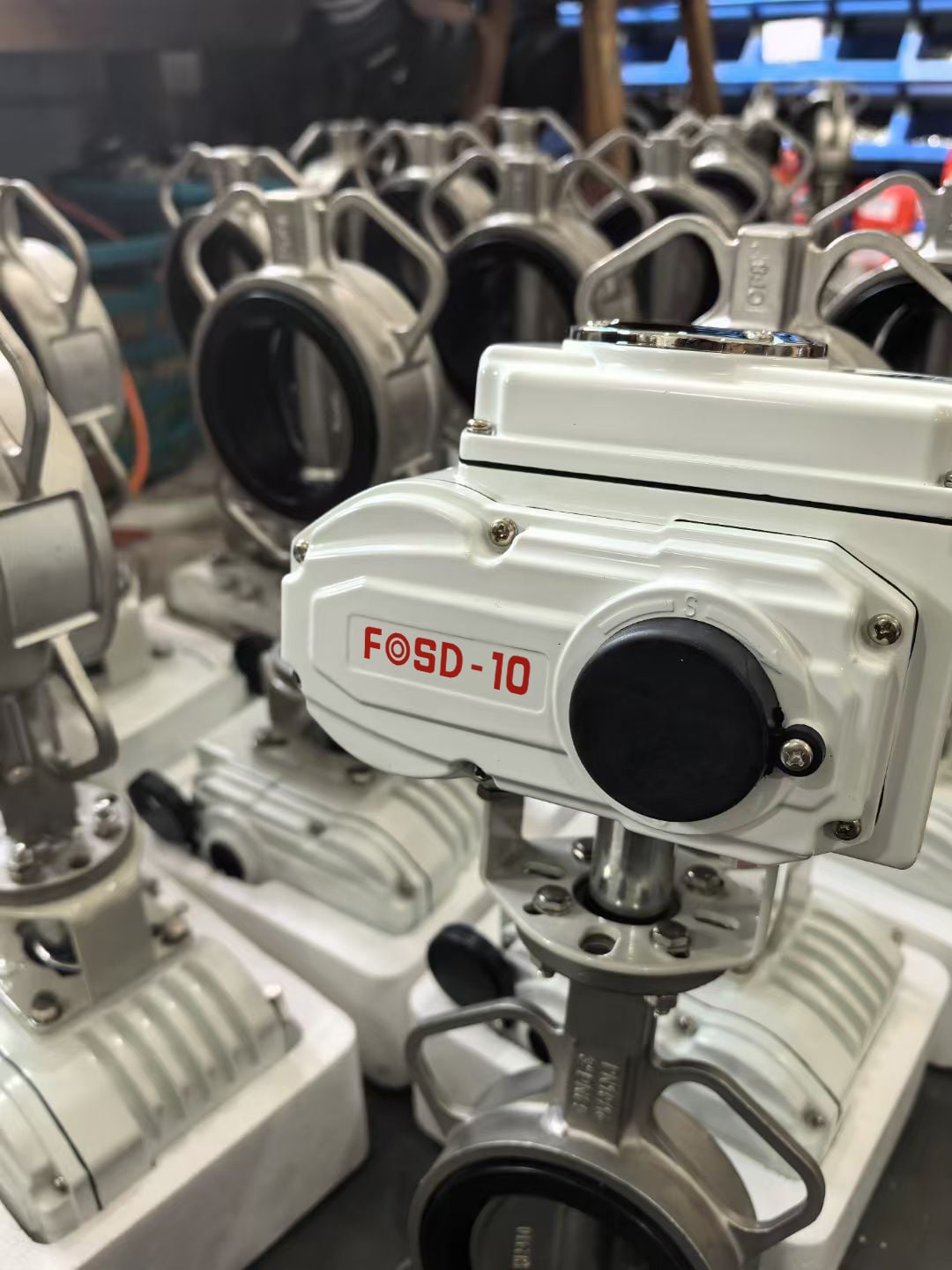
Core Components of Electric Butterfly Valve Lead Time
Manufacturing vs. Delivery Lead Time Explained
When looking at electric butterfly valve lead times, there are basically two main parts to consider: manufacturing and getting the product delivered. The manufacturing process itself involves sourcing materials, doing the actual machining work, putting everything together, and then running through quality checks. This part usually takes up around 60 to 80 percent of the whole timeline. Things get extended even further when customers want special features like non standard actuators or those fancy duplex stainless steel seats, which can add anywhere from 2 to 4 extra weeks to production. As for delivery times, that depends heavily on where the valves need to go and how they're shipped. Air freight gets things moving fast, often cutting down delivery time to about a week. But if it's going by sea, we're talking closer to 4 or 5 weeks before everything arrives at the installation site after clearing customs and making sure the location is ready for receipt.
ETO and MTO Models: How They Shape Electric Butterfly Valve Timelines
The Engineer-to-Order (ETO) and Make-to-Order (MTO) production approaches set the foundation for how flexible timelines can be in manufacturing. For ETO projects, we're talking about really specialized valves here something like those with integrated smart controls or ones that meet ASME B16.34 standards for high pressure applications. These typically take around 12 to 20 weeks just to get through design validation, build prototypes, and get everyone on the engineering team to sign off. The extra time spent on this initial engineering work usually tacks on another 3 to 5 weeks, but it pays off when these valves need to perform flawlessly in critical systems where failure isn't an option. On the other hand, MTO builds on already certified designs with only minor tweaks needed such as adding PTFE seat coatings or adjusting voltage settings, which gets them out the door faster within 8 to 12 weeks. Even though MTO skips the full redesign process, there are still delays when specifications call for unusual materials like titanium, since sourcing those components takes longer than standard parts.
How Customization Impacts Electric Butterfly Valve Lead Times
Actuator Integration, Control Logic, and Smart Functionality
When companies decide to integrate those non-standard actuators or bring in some advanced control logic, they're usually looking at much longer wait times. Just making sure everything works together properly when connecting custom valves with third party actuators can eat up anywhere from two to three weeks already. And then there are all those smart features people want these days - things like IoT sensors, predictive maintenance systems, or fieldbus protocols. These require special firmware development work plus going through the whole safety certification process according to standards like IEC 61508. From what we see across the industry, projects that include these kinds of capabilities tend to take around 30% longer overall compared to regular valves. The extra time comes from having to do multiple rounds of prototype testing, run extensive firmware checks, and complete all the necessary safety audits throughout production.
Material, Coating, and Pressure Class Deviations from Standard Specs
When companies move away from standard materials such as 316L stainless steel, they typically run into major supply chain headaches. Specialty metals like Hastelloy or even plain old titanium can take anywhere from eight to twelve weeks just to get from supplier to shop floor. Then there's the whole mess with high performance coatings. PTFE linings? Thermal spray ceramics? Nickel based overlays? Each one needs special certification for application methods and takes forever to cure properly. And let's not forget about pressure ratings above ASME B16.34 Class 600. These demand much thicker wall sections on components and significantly longer hydro testing times. Put all these factors together and custom builds end up taking four to six extra weeks compared to standard stock items. Plus manufacturers need complete material tracking records, non destructive testing confirmation, and mountains of paperwork signed off by certified inspectors before anything leaves the facility.
Key Bottlenecks in the Electric Butterfly Valve Production Workflow
Supply Chain Delays for Critical Components (Actuators, Positioners, Electronics)
When it comes to custom electric butterfly valves, supply chain issues are responsible for pushing back delivery schedules in about 60% of cases. The really important parts tend to get stuck in limbo most often. Think about those tough-to-get IP66 rated actuators, the fancy IoT enabled positioner chips, and all sorts of special alloy seals that just aren't available when needed. Right now, these critical components typically sit waiting somewhere between 8 to 12 weeks because there simply aren't enough semiconductors going around and specialty materials remain scarce. Manufacturers know all too well what happens when even one part goes missing from the production line. Entire projects come grinding to a halt, and according to research from the Ponemon Institute last year, each delay costs roughly $740,000 across the industry.
Fabrication, QA Testing, and Compliance Validation (ASME B16.34, IEC 61508)
Post-assembly validation consumes 3â5 weeks for non-standard valves. ASME B16.34 compliance requires pressure testing on class-specific rigs, while IEC 61508 SIL-2/3 certification demands redundant system verification and failure mode analysis. Each customization triggers three key validation steps:
- Material verification, including mill test reports for alloys like Hastelloy C276;
- Coating adhesion and thermal cycling tests, especially for extreme-service environments;
- Cyclic endurance testingâ5,000+ actuation cycles for smart valvesâto confirm long-term reliability. Non-conformance rates rise by 35% during custom builds, leading to rework that adds up to 3 weeks. Third-party certification backlogs further extend timelines by 10â15 days.
Strategies to Reduce Lead Times for Custom Electric Butterfly Valves
Manufacturers dealing with unpredictable schedules and rising costs are finding success through several smart approaches. The first trick is stockpiling modular subassemblies. By building things like actuator housings, shafts, and those flange sets ahead of time, factories can cut down on final assembly work by around 30 to maybe even 50 percent. Another helpful move is creating ready-made design templates for common customization requests such as NEMA 4X enclosures or integrating Modbus RTU systems. This speeds up the whole engineering process since there's less back and forth needed for approvals. And then there's digital twin technology which has been game changing lately. Instead of doing all that time consuming physical testing for pressure resistance and endurance, companies now simulate these tests virtually. What used to take weeks gets done in just a few days instead. Plants that adopt all these methods typically see their lead times shrink by roughly 20 something percent. Throw in some IoT sensors for monitoring equipment conditions and managers start getting warnings about parts running low before problems actually happen, giving them time to find alternatives or order replacements without causing production delays.
FAQ
What are the main components that affect electric butterfly valve lead times?
The main components affecting electric butterfly valve lead times are manufacturing, delivery, customization, supply chain delays for critical components, and post-assembly validation.
How does customization impact the lead time for electric butterfly valves?
Customization like actuator integration, control logic, smart functionality, and material deviations can increase production lead times by 30% or more due to the need for additional testing and certification.
Are there strategies to reduce the lead times for custom electric butterfly valves?
Yes, strategies such as stockpiling modular subassemblies, creating design templates, using digital twin technology, and implementing IoT sensors for predictive maintenance can significantly reduce lead times.
What role do ETO and MTO models play in determining electric butterfly valve timelines?
ETO projects require more time due to initial engineering and design validations, taking about 12 to 20 weeks, while MTO models build on existing designs with minimal changes, reducing the timeline to about 8 to 12 weeks.
Table of Contents
- Core Components of Electric Butterfly Valve Lead Time
- How Customization Impacts Electric Butterfly Valve Lead Times
- Key Bottlenecks in the Electric Butterfly Valve Production Workflow
- Strategies to Reduce Lead Times for Custom Electric Butterfly Valves
-
FAQ
- What are the main components that affect electric butterfly valve lead times?
- How does customization impact the lead time for electric butterfly valves?
- Are there strategies to reduce the lead times for custom electric butterfly valves?
- What role do ETO and MTO models play in determining electric butterfly valve timelines?

