
 EN
EN
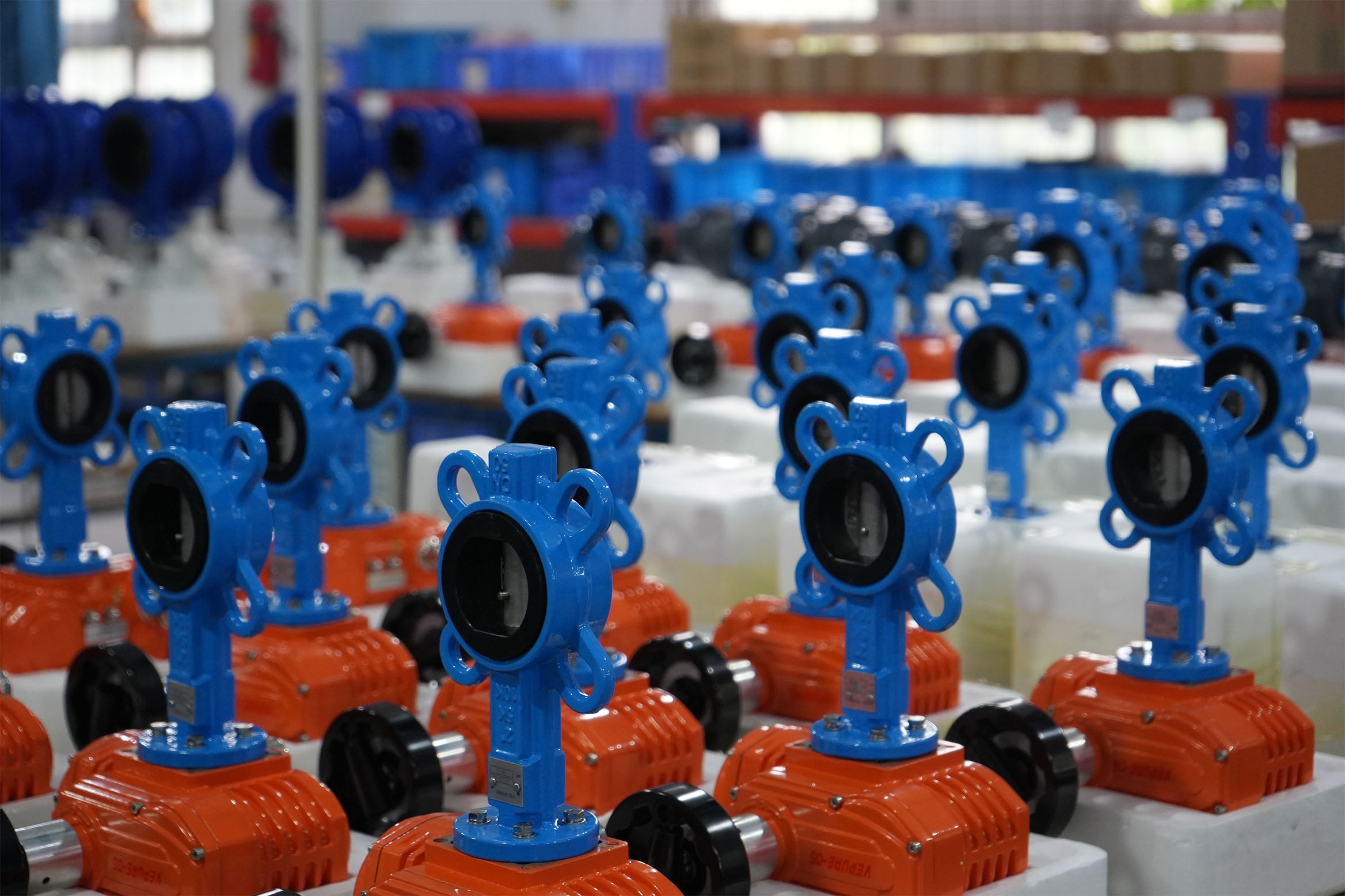
Automation and Remote Control for Operational Efficiency
Seamless integration with SCADA and PLC systems for centralized process management
Electric butterfly valves work seamlessly with SCADA systems and PLC controllers using standard communication protocols like Modbus, Profinet, and EtherNet/IP. This connection allows plant operators to manage everything from one central location instead of running around the facility. When someone needs to change a valve setting, check how much fluid is flowing right now, or spot problems before they become disasters, all this happens from behind a computer screen rather than out in the field. Studies indicate that when these systems are properly implemented, factories see about a 30% drop in downtime because issues get addressed faster and smaller problems don't escalate. The real value comes from not needing technicians to physically walk between machines anymore. Maintenance crews spend less time traveling between sites, and when something goes wrong with the process, fixes happen quicker since everyone sees what's happening in real time from their usual workstations.
Reduction in manual intervention, human error, and safety incidents
When electric actuators take over, workers stay out of dangerous areas during regular maintenance and emergency shutdowns. This cuts down their contact with pressurized pipes, harmful chemicals, and scorching hot surfaces. Plants that installed automated electric butterfly valves saw about half the number of accidents involving valves compared to those still relying on manual operation according to OSHA data from last year. The digital controls stop those positioning mistakes people often make with manual systems like reading gauges wrong or missing steps in the process sequence which can lead to spills, empty tanks, or mixing different substances. With consistent programming, there's no variation caused by tired operators or someone new learning the ropes. Facilities not only keep up with OSHA standards but also see around two thirds fewer injuries causing production delays.
Precision Flow Control and Process Stability
Sub-second actuation response synchronizing with temperature, pressure, and airflow control loops
Electric butterfly valves can open and close in less than a second usually between half a second to just over one second which makes them really good for syncing up with those important process control systems in real time. The fast response helps keep temperatures stable within about half a degree Celsius, maintains pressure around one pound per square inch difference, and keeps airflow right on target with almost 99% accuracy when used in heating ventilation and air conditioning setups. Pneumatic systems just cant match this because they suffer from those annoying signal delays and the time it takes to compress air first. Electric actuators simply move faster and more consistently every single time. This matters a lot in places like pharmaceutical labs where small temperature changes during batches can ruin expensive medications, or in semiconductor manufacturing cleanrooms where keeping the air flowing properly stops dust particles from getting everywhere. Getting rid of all that compressed air equipment saves money too according to studies from the US Department of Energy showing energy savings somewhere between 15% and 30%.
Real-world validation: ±0.8% flow deviation in beverage processing (vs. ±4.2% with manual valves)
When it comes to making carbonated drinks, electric butterfly valves show much better performance than their manual versions. Tests found they only had about 0.8% flow variation during fast filling operations, whereas manual valves showed around 4.2% deviation when everything else was kept the same. That means these electric valves are roughly five times more repeatable in their operation. For actual results, consider what this means for real world operations. A medium sized bottling facility can cut down on wasted product by eliminating roughly 3.7 tons each month just by switching over. Why does this happen? Well, these valves have adjustable torque settings that respond to changes in syrup thickness, plus built-in sensors check where the valve disc actually is, usually within half a degree accuracy. Getting such precise control helps avoid problems with regulations regarding proper fill levels in food products. And there's another benefit worth mentioning too. The special shape of the valve disc creates less resistance in the system compared to traditional gate valves according to ASME B16.34 standards, which cuts down on energy usage and makes the whole production process run smoother overall.
Energy Efficiency Through Low-Pressure-Drop Design
Aerodynamic disc geometry reducing pressure loss by up to 35% versus gate valves (per ASME B16.34)
Electric butterfly valves have been designed with improved aerodynamics that cut down on turbulence and resistance in fluid systems. Tests following ASME B16.34 standards show these valves can reduce pressure drops by around 35% compared to old fashioned gate valves. What does this mean? Lower energy demands for pumps! When system resistance goes down by 15%, facilities handling large volumes of water or air typically save about 7% in energy costs. Take a look at real world applications: one mid sized factory saved approximately $740k per year just from switching their pumping systems after findings published by Ponemon Institute in 2023. Why such big savings? Three main factors contribute to this efficiency boost. First, there's less friction against the fluid so smaller pumps work just fine. Second, the smooth interior doesn't mess with the natural flow patterns of liquids or gases. Third, those sudden turns and bends that waste energy are eliminated altogether. All these improvements lead to greener operations while still maintaining tight control over processes and quick response times when adjustments are needed.
Smart Diagnostics and Predictive Maintenance Capabilities
Embedded torque profiling, cycle counting, and health monitoring for electric butterfly valve longevity
Electric butterfly valves today come equipped with smart diagnostic features that track things like real time torque changes, count how many times they open and close, and analyze motor current patterns all day long. The built in sensors pick up on small problems before they turn into big failures. Take rising torque levels as one warning sign that bearings might be wearing down or seals getting stuck. Torque spikes usually happen just before something jams, whereas looking at cycle counts helps figure out when it's time for lubrication or part replacements. A recent study from the Maintenance Technology Institute found these kinds of early warnings cut unexpected downtime by around 40 percent compared to waiting until something breaks. When maintenance happens based on what's actually happening inside the valve rather than following a fixed schedule, companies save money over time. Plus, systems stay reliable longer and maintain better control accuracy throughout their lifespan.
FAQ Section
What is the primary function of electric butterfly valves?
The primary function of electric butterfly valves is to regulate fluid flow and offer precise control in various industrial processes, enhancing operational efficiency and stability.
How do electric butterfly valves improve safety in plants?
Electric butterfly valves improve safety by reducing manual intervention, minimizing human errors, and decreasing the chances of safety incidents, thus cutting down accidents compared to manual systems.
Can electric butterfly valves help in energy savings?
Yes, electric butterfly valves are designed with aerodynamic disc geometry that reduces pressure loss, leading to lower energy demands for pumps and significant energy savings.
How do smart diagnostic features benefit electric butterfly valves?
Smart diagnostics, like torque profiling and cycle counting, enable predictive maintenance by detecting early signs of wear, helping prevent unexpected downtime and prolonging valve lifespan.
Table of Contents
- Automation and Remote Control for Operational Efficiency
- Precision Flow Control and Process Stability
- Energy Efficiency Through Low-Pressure-Drop Design
-
Smart Diagnostics and Predictive Maintenance Capabilities
- Embedded torque profiling, cycle counting, and health monitoring for electric butterfly valve longevity
- FAQ Section
- What is the primary function of electric butterfly valves?
- How do electric butterfly valves improve safety in plants?
- Can electric butterfly valves help in energy savings?
- How do smart diagnostic features benefit electric butterfly valves?

