
 EN
EN
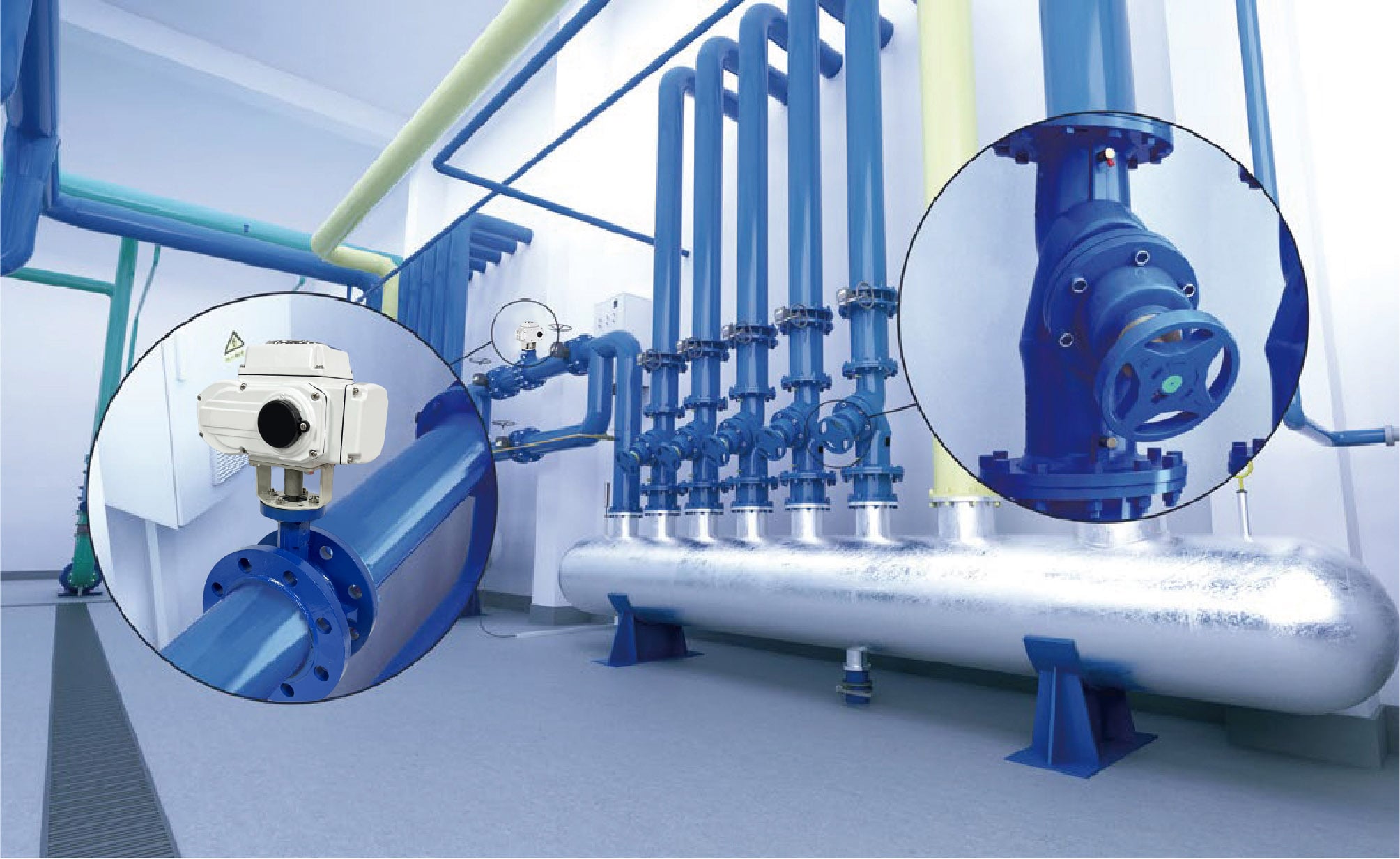
System-Specific Challenges in Open Circulating Water
How temperature swings, suspended solids, and transient flow stress butterfly valve integrity
Water systems that circulate openly go through brutal temperature changes every day, sometimes swinging over 30 degrees Fahrenheit back and forth. This constant heating and cooling makes valve parts expand and contract repeatedly. The result? Seat seals start to break down and the shape of the disc gets warped. Things get worse when there are abrasive particles floating around, especially stuff like silica sand, which wears away at those important sealing areas much quicker. Then there's the problem of sudden flow changes. When pumps kick on or shut off, water hammer effects create pressure spikes that can reach nearly double what the system normally handles. These pressure surges put real stress on discs and strain the shafts inside the valves. According to industry data from Ponemon in 2023, valves operating under these harsh conditions tend to fail about three times quicker compared to ones in more stable thermal environments.
Biofouling and chlorine exposure: Why standard butterfly valve designs often fail
Open loop systems face serious problems from microbial colonization. When biofilms grow along disc edges, they really mess with sealing integrity and can boost operating torque anywhere between 40 to 60 percent according to research from the Water Research Foundation back in 2023. The usual fix involves chlorine treatments which are meant to control biology but these actually react badly with common materials like EPDM rubber, making them swell up and develop tiny cracks over time. What happens next? Leaks start appearing and eventually seals fail completely. Plants that stick with traditional designs without modifications end up dealing with roughly 2.7 times as many unexpected maintenance calls compared to facilities that specify polymer materials resistant to chlorine exposure.
Optimal Butterfly Valve Materials for Corrosion Resistance and Longevity
Ductile iron vs. stainless steel bodies: Balancing AWWA C504 compliance, cost, and service life
When choosing materials for construction, engineers need to weigh how well they resist corrosion against what they cost. Ductile iron is generally cheaper than stainless steel, about 40% less expensive actually, and meets the AWWA C504 standard if it gets an epoxy coating. Stainless steel options like grades 304 and 316 stand up better to problems like pitting and crevice corrosion, especially in water treated with chlorine or where there are lots of solids suspended. The initial price tag for stainless steel runs around 1.5 to 2 times what ductile iron costs, but many installations last over 25 years compared to just 15 on average for ductile iron in harsh environments. Looking at long term expenses, those extra years of service cut down overall costs by roughly 30%. For systems where failure isn't an option, most professionals go with stainless steel despite the higher purchase price because it simply lasts longer without needing replacement.
| Material | Corrosion Resistance | Typical Service Life | AWWA C504 Compliance | Cost Relative Index |
|---|---|---|---|---|
| Ductile Iron | Moderate (with coating) | 12-15 years | Yes | 100 |
| Stainless Steel | High | 20-25 years | Yes | 150-200 |
EPDM, NBR, and FKM seats: Matching elastomer chemistry to chlorine levels and microbial growth risk
The choice of elastomer for valve seats really affects how well the seal holds up over time. EPDM works pretty well against chlorine when concentrations stay under 5 parts per million, and can handle temperatures ranging from minus 40 degrees Fahrenheit all the way up to 300 degrees. That makes it suitable for chilled water systems in many buildings. On the other hand, NBR offers better resistance to hydrocarbons but starts breaking down quickly once chlorine levels go above 2 ppm. For systems where disinfection is intense or biofouling tends to be a problem, FKM stands out because it stays intact even with chlorine concentrations past 15 ppm and temperatures reaching as high as 400 degrees Fahrenheit. What makes FKM particularly valuable is its non-porous nature which stops biofilms from sticking to surfaces, cutting down on the need for biocides by around 40 percent according to wastewater research. When bacteria counts climb beyond 100,000 colony forming units per milliliter, most engineers find that FKM's long-term benefits justify the extra expense despite the initial cost difference.
Butterfly Valve Design Types: Matching Disc Geometry to System Pressure & Sealing Needs
Butterfly valves are essential for controlling flow in open circulating water systems. However, picking the wrong valve design leads to faster wear and leaks down the road. The shape of the disc determines how much pressure it can handle and how well it seals, and there are basically three main types used across industries. Concentric or centerline valves have their shaft running right through the middle of the disc and use flexible seating materials. These work best when pressures stay below about 150 psi. Double offset designs move the shaft back behind the edge of the disc, which cuts down on friction during operation by roughly 70%. This makes them good for medium pressure situations where temperature changes happen frequently, plus they meet the AWWA C504 standards. Triple offset valves stand out because they have cone-shaped sealing surfaces and metal contacts instead of rubber. They provide essentially leak proof closure even under extreme conditions over 500 psi, making them ideal for applications like steam injection systems or chemical dosing processes where reliability is absolutely crucial.
| Valve Type | Max Pressure | Sealing Performance | Ideal Application Context |
|---|---|---|---|
| Concentric | ≤150 psi | Basic sealing | Chilled water, low-pressure pumps |
| Double Offset | 150-300 psi | Moderate to high | Cooling towers, thermal oil loops |
| Triple Offset | 500+ psi | Bubble-tight | Steam lines, high-pressure dosing |
Different connection styles really matter when it comes to choosing the right valve for the job. Wafer style valves work best where there's limited space and fluid needs to flow both ways. Lug type designs are good for dead end applications without needing those full flange setups. Something worth noting about throttling efficiency is that concentric valves start losing effectiveness around 30% once they close past 25%. That's why engineers often turn to double or triple offset valves when fine control over flow rates is needed. Temperature compatibility with valve seats should never be overlooked either. Standard EPDM materials begin breaking down at temperatures above 250 degrees Fahrenheit (about 121 Celsius). For systems running hot, switching to FKM rubber or even metal seated options becomes necessary to maintain proper function and safety margins.
Critical Certifications for Butterfly Valves in Potable and Industrial Open-Loop Water
Why AWWA C504 and NSF/ANSI 61 are non-negotiable for butterfly valve specification
Butterfly valves in drinking water systems need to stop contaminants getting through while dealing with all sorts of mechanical wear and chemical exposure day after day. The AWWA C504 standard checks if these valves can resist corrosion and hold up under pressure tests. Why does this matter? Well, according to Water Research Foundation data from 2023, about one quarter of water main failures actually come down to problems with the valves themselves. Then there's NSF/ANSI 61 which looks at whether rubber parts or metal components might release harmful substances into tap water. This becomes really important because chlorine used for disinfection tends to break down materials faster over time. Both standards work together and are required for anyone working on potable water systems. They help ensure what goes into our pipes stays safe for consumption.
- AWWA C504 guarantees hydrodynamic resilience during surge events common in open-loop systems
- NSF/ANSI 61 prevents leaching of heavy metals like lead or cadmium
- Combined compliance reduces biofilm formation risk by 40% compared to uncertified valves (Environmental Science & Technology 2022)
Omitting either certification exposes facilities to regulatory penalties, cross-connection hazards, and accelerated erosion from suspended solids.
FAQ
Why do butterfly valves in open water systems fail more rapidly?
The main reasons for their rapid failure include temperature swings, suspended solids causing abrasion, biofouling, and exposure to chlorine, leading to deterioration of materials and seals.
What materials are optimal for butterfly valves in harsh environments?
Stainless steel is preferred due to its high corrosion resistance and longer service life compared to ductile iron, especially in harsh environments.
How do different elastomer seats perform against chlorine?
EPDM can handle low chlorine concentrations, while FKM performs well under higher chlorination and temperature conditions, offering better resistance to microbial growth.
How do valve design types affect performance?
Concentric valves are good for low pressure, double offset for medium pressure with frequent temperature changes, and triple offset for high pressure and reliability in demanding applications.
What certifications are necessary for butterfly valves in potable water systems?
AWWA C504 and NSF/ANSI 61 certifications are crucial as they ensure resistance to corrosion, pressure, and prevent harmful substance leaching into drinking water.
Table of Contents
- System-Specific Challenges in Open Circulating Water
- Optimal Butterfly Valve Materials for Corrosion Resistance and Longevity
- Butterfly Valve Design Types: Matching Disc Geometry to System Pressure & Sealing Needs
- Critical Certifications for Butterfly Valves in Potable and Industrial Open-Loop Water
-
FAQ
- Why do butterfly valves in open water systems fail more rapidly?
- What materials are optimal for butterfly valves in harsh environments?
- How do different elastomer seats perform against chlorine?
- How do valve design types affect performance?
- What certifications are necessary for butterfly valves in potable water systems?

