
 EN
EN
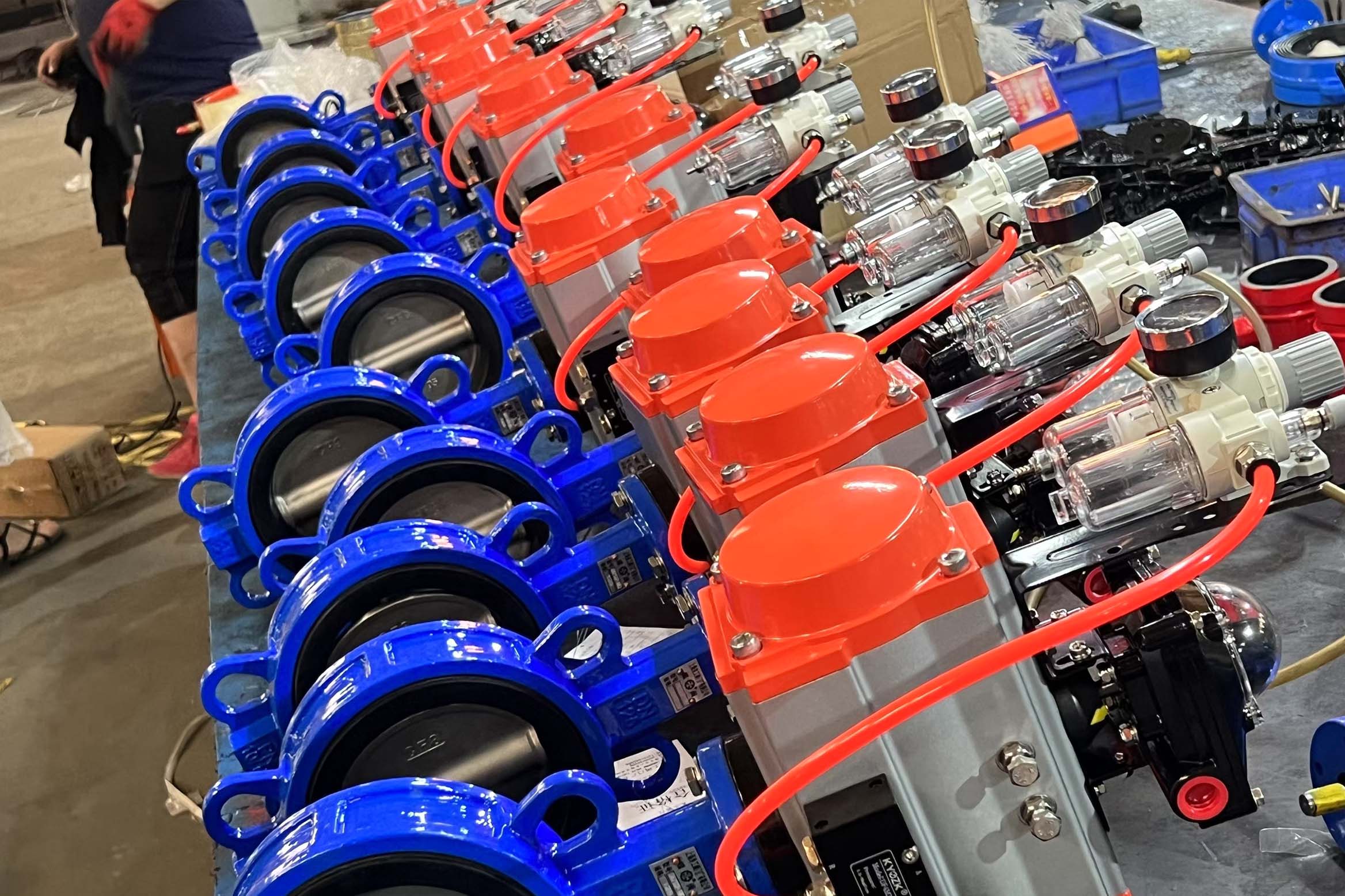
Material Compatibility: Selecting Corrosion-Resistant Pneumatic Valves for Aggressive Chemicals
Why Media Compatibility Dictates Pneumatic Valve Longevity in HCl, NaOH, Solvents, and Oxidizers
When dealing with substances like hydrochloric acid, sodium hydroxide, various organic solvents, and oxidizing agents, chemical compatibility becomes really important for determining how long pneumatic valves will last. Getting the materials wrong leads to all sorts of problems. We see things like pitting corrosion, stress cracks forming under pressure, and gradual thinning across surfaces. Valves tend to break down about three times quicker when exposed to chlorinated solvents compared to regular inert substances. The Materials Performance journal reported back in 2023 that nearly two thirds of all leaks happening in chemical plants came from degraded elastomers specifically in those ketone based solutions. Take hydrogen peroxide as another example. Standard 316 stainless steel starts showing signs of intergranular corrosion once temperatures rise past 40 degrees Celsius, which naturally affects the seals' ability to hold up. Switching out ordinary EPDM seals for these special perfluoroelastomer (FFKM) alternatives makes a big difference. They don't swell when contact occurs with aromatic hydrocarbons, and maintenance folks can go anywhere between 12 to 18 extra months before needing replacements. Plants that match their valve materials properly with what they're actually processing save serious money on unexpected shutdowns. The Ponemon Institute estimates around seven hundred forty thousand dollars saved each year per facility just from avoiding these kinds of issues.
Stainless Steel (316SS) vs. Exotic Alloys (Hastelloy®, TA2): Cost, Performance, and Real-World Failure Modes
Material selection must balance proven corrosion resistance against total cost of ownership. While 316 stainless steel offers economical service for mild alkaline solutions (pH <10), it is vulnerable to crevice corrosion in chloride-rich environments exceeding 50 ppm. Exotic alloys deliver superior performance but carry significant premium costs:
| Parameter | 316 Stainless Steel | Hastelloy® C-276 | Titanium Alloy TA2 |
|---|---|---|---|
| HCl Resistance (20%) | Severe pitting (>0.5 mm/yr) | Excellent (<0.02 mm/yr) | Limited (<5% concentration) |
| Chloride SCC Threshold | 50 ppm @ 60°C | >10,000 ppm @ 100°C | >5,000 ppm @ 150°C |
| Relative Cost Factor | 1.0x | 5.2x | 6.8x |
| Common Failure Modes | Chloride pitting, sulfide stress cracking | None below 100°C | Hydrogen embrittlement in H₂S |
In sulfuric acid processing facilities across the industry, operators typically find themselves replacing 316 stainless steel valve bodies roughly every fourteen months. The situation looks quite different when using Hastelloy C-276 components which tend to stay functional for well over eight years before needing replacement. When we look at hot nitric acid environments above 65 degrees Celsius, titanium TA2 really stands out from the competition. This particular alloy forms a protective oxide layer that keeps corrosion at bay much better than either of the other materials. Looking at the bigger picture, companies investing more upfront in these specialized alloys often see significant returns down the road. Fewer maintenance interventions mean less downtime, longer equipment lifespan translates to cost savings, and avoiding those unexpected production shutdowns adds up fast. Choosing the right metal isn't simply about what's on the price sheet it's actually a key business decision that affects operations long term.
Valve Type Optimization: Diaphragm and High-Performance Butterfly Pneumatic Valves for Critical Processes
Diaphragm Pneumatic Valves: Zero-Leakage Integrity for Batch Reactors, CIP/SIP, and Ultra-Pure Streams
The leak tight nature of diaphragm pneumatic valves makes them absolutely necessary when dealing with volatile substances, reactive chemicals, or situations requiring ultra purity. What sets these apart is their rubber-like diaphragm that creates a complete barrier between whatever's flowing through and the inside parts of the valve itself. This design completely gets rid of those pesky stem leaks we see so often in older gland packed models. Take a look at what happens in batch reactors working with stuff like hydrochloric acid or similar aggressive compounds. Here, keeping different synthesis stages separate becomes mission critical, something standard valves just can't handle. For Clean-in-Place and Steam-in-Place systems too, these valves stand up to constant temperature changes reaching 150 degrees Celsius and all sorts of harsh cleaning agents without their seals breaking down over time. Pharmaceutical companies love them for ultra pure water applications because there are no hidden corners where bacteria can hide and grow. And let's not forget the money saving aspect either. When manufacturers choose PTFE lined bodies combined with EPDM diaphragms, they get excellent chemical compatibility plus significantly lower maintenance expenses compared to traditional valves. No need to replace seals regularly means around 30% savings on upkeep costs alone.
High-Performance Butterfly Pneumatic Valves: Torque Consistency, Seat Resilience, and 10–150 psi Differential Handling
Butterfly pneumatic valves built for high performance handle tough chemical transfer jobs where precise throttling matters, they last through many cycles and work reliably despite changing pressures. The special double offset disc design keeps the actuation torque steady across big pressure differences, anywhere from around 10 psi all the way up to 150 psi. That makes these valves great for reactor feed lines that deal with pump surges or sudden pressure changes during operation. Most models come with pressure energized seats made from reinforced PTFE or metal backed elastomers which stay completely sealed after about 100 thousand cycles, even when dealing with gritty slurries that would wear down lesser equipment. These aren't your ordinary butterfly valves though. They have corrosion resistant shafts and follow ISO 5211 standards for mounting so actuators attach directly without hassle. This setup gives flow accuracy within plus or minus 2 percent, something plant operators need badly in important processes like controlling distillation columns or adjusting pH levels where tiny mistakes can ruin batches and lower yields. Real world testing shows these valves cut fugitive emissions by about ninety percent compared to traditional gate valves when handling vapors. Plus their smaller size means installing them in tight spaces isn't nearly as painful as retrofitting older systems.
Actuation & Integration: Smart Pneumatic Valve Compliance for Safe, Interoperable Chemical Automation
ISO 5211 Mounting, VDI/VDE 3845 Position Feedback, and SIL2-Ready Actuators as Baseline Requirements
Pneumatic valves in today's chemical automation aren't just simple mechanical parts anymore—they need to be smart components that work together across different systems. Standardized ISO 5211 mounting solves those pesky fit problems between different vendors, so when it comes time to replace actuators, operators can simply swap them out without wasting hours on installation headaches. Position feedback following VDI/VDE 3845 standards gives real time updates about valve status through either analog or digital signals to DCS/SCADA systems. This helps catch issues fast, like sudden pressure spikes or gradual drift away from set points. For processes involving dangerous materials, SIL2-rated actuators fulfill IEC 61508 safety standards with built-in diagnostics that slash hidden failure risks by around two thirds compared to older models according to ISA TR84.00.02-2024 research. All these capabilities lay the groundwork for Industry 4.0 compatibility. They allow safe data sharing with MES platforms, automatic record keeping for compliance purposes, and troubleshooting from afar. And best of all, this means fewer technicians have to physically enter potentially harmful areas filled with corrosive substances or toxic fumes.
FAQs about Pneumatic Valves and Material Compatibility
What factors should I consider when selecting valve materials for aggressive chemical processes?
When selecting valve materials, consider chemical compatibility, potential corrosion resistance, operational temperature limits, cost factors, and real-world failure modes.
How can diaphragm pneumatic valves benefit chemical processing plants?
Diaphragm pneumatic valves offer zero-leakage integrity, ensuring safe handling of volatile substances, reactive chemicals, and ultra-pure streams without frequent maintenance costs.
What are the advantages of high-performance butterfly valves in corrosive environments?
High-performance butterfly valves provide consistent torque, robust seat resilience, and handle a wide range of pressure differentials, making them ideal for precise throttling in reactor feed lines.
Why is material compatibility crucial in pneumatic valve selection?
Material compatibility ensures longevity and reliability by preventing common issues such as pitting corrosion, stress cracking, and thermal expansion effects that could lead to valve failure.
Table of Contents
- Material Compatibility: Selecting Corrosion-Resistant Pneumatic Valves for Aggressive Chemicals
- Valve Type Optimization: Diaphragm and High-Performance Butterfly Pneumatic Valves for Critical Processes
- Actuation & Integration: Smart Pneumatic Valve Compliance for Safe, Interoperable Chemical Automation
-
FAQs about Pneumatic Valves and Material Compatibility
- What factors should I consider when selecting valve materials for aggressive chemical processes?
- How can diaphragm pneumatic valves benefit chemical processing plants?
- What are the advantages of high-performance butterfly valves in corrosive environments?
- Why is material compatibility crucial in pneumatic valve selection?

