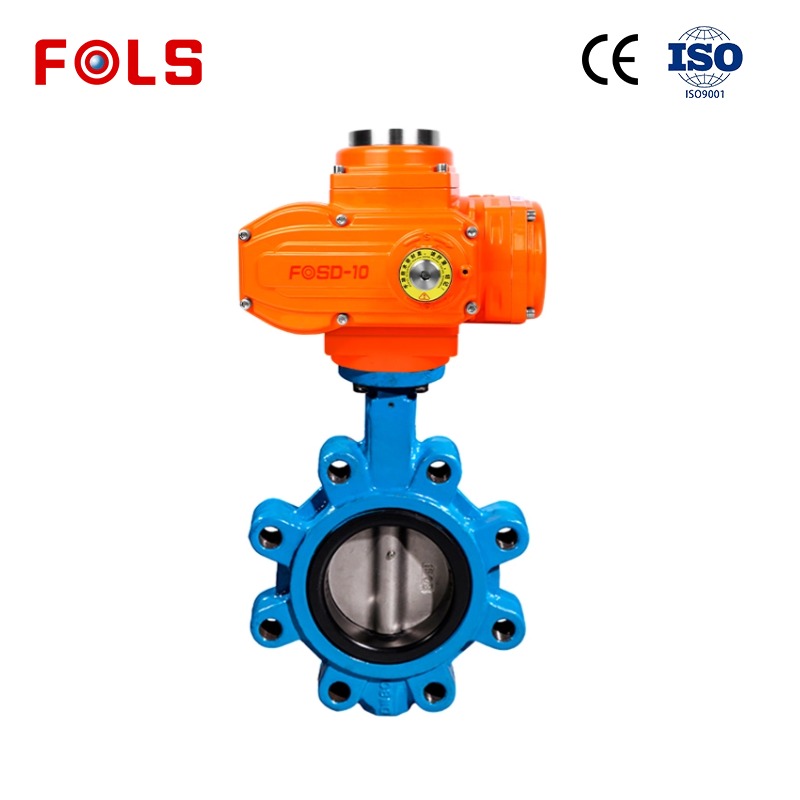
Electric valves today work really well with industrial control systems thanks to standard communication protocols. They connect straight to PLCs and SCADA systems using Modbus TCP/IP, which means plant managers can control chemical flows from one central location across several production areas. From their control room desks, operators adjust these valves with pretty much pinpoint accuracy around 0.5%, all while watching live data about flow rates and pressure changes on those fancy HMI screens. According to a recent study in Chemical Processing Journal (2023), nearly 9 out of 10 chemical facilities are making sure their systems support Modbus connections for instant monitoring. This kind of connectivity makes it possible to scale up automated processes, something that fits right into what we're seeing with Industry 4.0 initiatives across manufacturing sectors.
Electric actuators can complete their full stroke movement within just 250 milliseconds, which makes them around 65% quicker compared to traditional pneumatic options. This speed allows for much finer control when making adjustments at crucial moments in chemical reactions. When injecting catalysts during polymerization, these fast acting devices help avoid the problem of adding too much material. They also keep things balanced properly in those continuous stirred tank reactors that are so common in industrial settings. Getting rid of those annoying air supply delays that plague pneumatic systems cuts down on batch cycle time inconsistencies by roughly 22% in the production of pharmaceutical intermediates. What does this mean practically? Higher throughput rates and better consistency across batches, something manufacturers really care about in quality controlled environments.
The system uses dual redundant torque sensors along with position encoders to give full circle monitoring of operations. These components will trigger automatic alarms whenever the actuator load goes beyond what's considered safe. When there's an emergency shutdown situation, the smart electric valves switch to their preset safe positions either open or closed just 0.8 to 3 seconds after losing power supply. This quick response helps stop dangerous chemical leaks from happening. The built in diagnostic tools can actually spot signs of bearing wear anywhere between 8 and 12 weeks before any actual failure occurs thanks to advanced vibration analysis techniques. Plants using these systems report around 41% fewer unexpected shutdowns when handling corrosive acids specifically. For backup power, supercapacitors keep track of important position data for well over three days during power outages. This meets those strict IEC 61508 SIL-3 safety standards that many industrial facilities need to comply with.
Electric valves can maintain flow rates that are just ±0.5% away from their target settings when used in chemical processing plants. That's actually a massive jump forward compared to old manual systems we see reported in Process Control Quarterly back in 2023 as being around 6 times worse. What makes these valves so accurate? They have those smart electric actuators inside that can make tiny adjustments up to 1,024 times every single second. This lets operators get the right mix of chemicals when making polymers or adding catalysts to reactions. For pharmaceutical companies dealing with strict sterilization requirements, switching to electric valves instead of traditional pneumatic ones cuts down on batch inconsistencies by nearly 92%. Such dramatic improvements explain why many manufacturers are now prioritizing electric solutions despite higher upfront costs.
Electric valves today automatically adjust flow rates every 50 milliseconds thanks to built-in PID controllers. These smart systems keep viscosity levels within just 0.2 centipoise and maintain temperature control at plus or minus 0.3 degrees Celsius, which matters a lot during those tricky exothermic reactions. The real magic happens when these valves check their own flow rates constantly through internal sensors. This constant monitoring helps manufacturers meet ISO 9001 quality requirements and cuts down on wasted materials by around 18% in specialty chemical plants. A study from Industrial Automation Review back in 2023 found that adjusting PID settings using IoT sensors mounted directly on valves actually lowers pH fluctuations by as much as 63% during ongoing polymerization processes. That's significant because human mistakes during calibration account for roughly one third of all production batches that end up out of spec.
graph TD
  A[Command Signal] --> B{Electric Actuator}
  B -->|1,024 Adjustments/sec| C[Valve Position]
  C --> D[Flow Sensor]
  D -->|Feedback Loop| B
  D --> E[Control System]
  E -->|Process Data| F[SCADA Integration]
Electric valve bodies constructed from duplex stainless steel (UNS S32205) and Hastelloy C-276 resist pitting corrosion in chlorinated solvents at temperatures up to 150°C. PTFE-coated stems and seals maintain integrity in sulfuric acid concentrations ≤98%, validated under ASTM G48 testing protocols.
Explosion-proof IP66/67-rated housings with welded diaphragm seals prevent leakage in abrasive slurry pipelines, while advanced coating technologies extend service intervals by 300% in HCl vapor environments (Materials Performance 2024).
Electric valves that can be controlled from afar cut down how often workers need to enter those dangerous Class I Division 1 zones by almost 90%, according to OSHA's latest chemical safety report from 2023. These systems rely on position sensors along with industrial internet of things technology built into their actuators to handle risky operations like moving acids around or mixing solvents, all while keeping staff away from hazardous locations. Looking at data from a real world plant in 2024, we see these setups actually cut down safety problems during chlorine gas handling by over half, which means better protection for everyone working there day to day.
Spring-return actuators automatically isolate process fluids within seconds of power interruption, meeting API 607 fire-safe testing requirements. These systems ensure fail-safe positioning even during grid fluctuations, supported by redundant power supplies compliant with IEC 60534-8 standards.
Brushless DC motor designs eliminate contact wear, achieving over 100,000 cycles with less than 0.1% torque variance in 24/7 caustic soda transfer operations. The precision of electric actuation minimizes mechanical stress on valve seats and stems, reducing annual maintenance costs by 18–22% compared to fluid-powered alternatives.
Electric valves cut energy usage significantly, sometimes as much as 72%, thanks to features like regenerative braking and intelligent duty cycle management according to recent research from the Department of Energy on compressed air systems. These systems typically use between 35 and 40 percent less electricity compared to traditional pneumatic alternatives when running continuously. The built-in idle mode shuts off completely when not needed, which stops wasted compressed air. For plants with many valves installed across different areas, facility managers are seeing around seven thousand two hundred dollars saved each year on their utility bills for every production line they upgrade. This kind of saving adds up fast over time, especially for larger operations with multiple lines in operation simultaneously.
| System Type | Annual Maintenance Costs | Energy Consumption |
|---|---|---|
| Electric Valves | $1,200 - $1,800 | 0.8 - 1.2 kWh |
| Pneumatic Valves | $2,900 - $3,500 | 2.4 - 3.1 kWh |
| Hydraulic Valves | $3,800 - $4,600 | 4.7 - 5.5 kWh |
These efficiencies accelerate ROI and support sustainable operations through integrated process optimization. For comprehensive guidance on material selection in extreme chemical environments, discover material selection strategies based on compatibility analysis.
Electric valves integrate with PLC, SCADA, and Modbus systems, allowing centralized control and monitoring of chemical flows.
Electric actuators complete their full stroke movement within 250 milliseconds, significantly quicker than pneumatic options.
Electric valves feature fail-safe modes and continuous monitoring that prevent chemical leaks and equipment failure.
Electric valves use between 35-40% less electricity compared to pneumatic systems, partially due to intelligent duty cycle management.
 Hot News
2025-04-08
2025-04-08
2025-04-08
2025-04-08
2025-04-08



 EN
EN