
 EN
EN
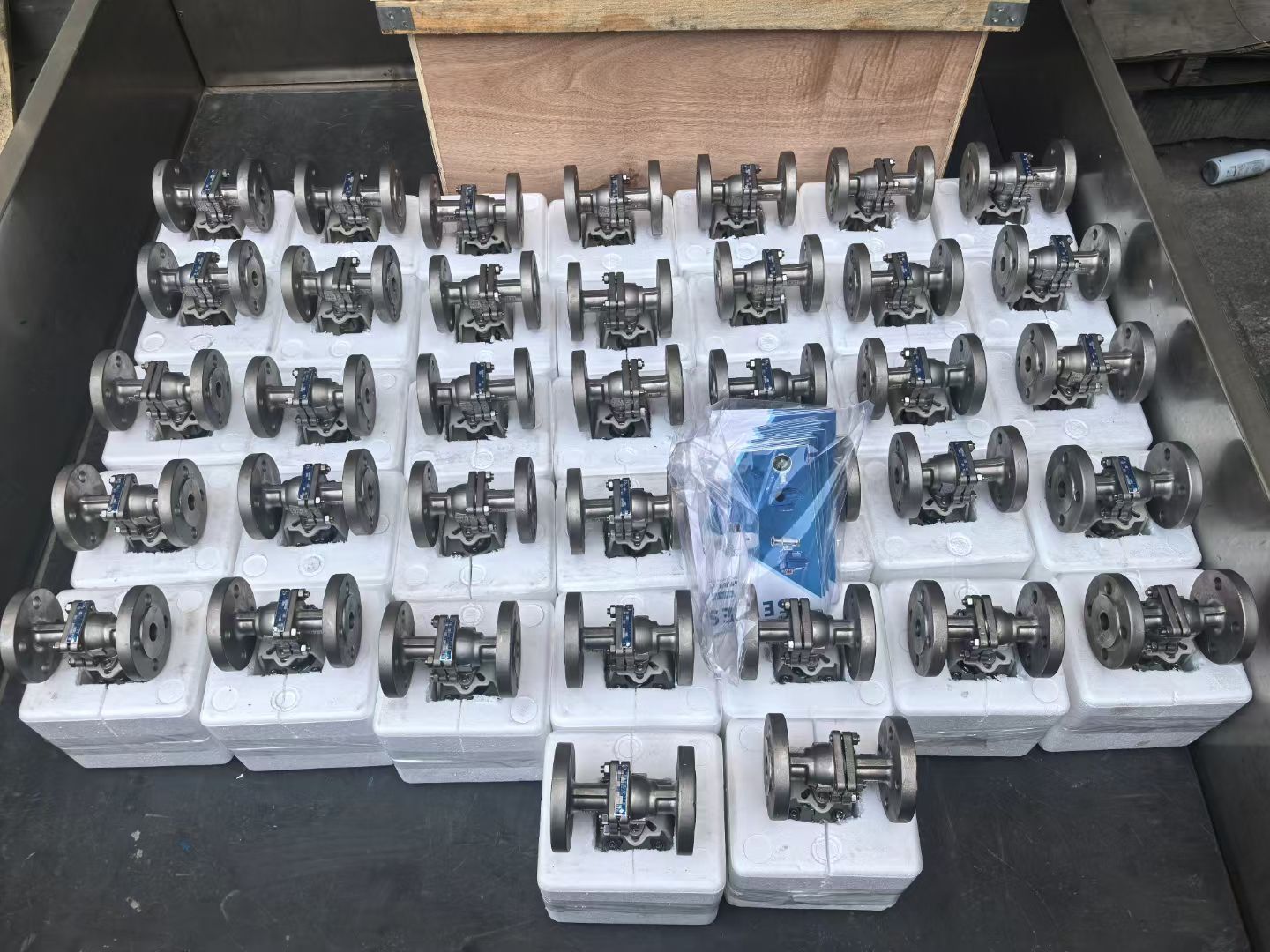
Core Functions of Electric Valves in Water Treatment Systems
What Does an Electric Water Control Valve Do?
Water control valves powered by electricity handle fluid management through motorized actuators that react to signals from sensors or SCADA systems. When needed, these valves change their opening sizes to control how much water flows through, keep pressure at safe levels, and even shut down completely if there's a leak in the pipeline. Take coagulation processes as an example. Getting the right amount of treatment chemicals into the water depends heavily on where these valves are positioned. The industry standard demands they be accurate within plus or minus 1.5%, according to findings from last year's Water Treatment Valves Report. This kind of precision makes all the difference when it comes to removing contaminants effectively.
Key Roles: Flow Regulation, Isolation, and System Protection
Electric valves serve three critical functions:
- Flow Regulation: Maintain optimal flow rates of 0.5–3.0 m/s in distribution networks to prevent sedimentation and pipe corrosion.
- Isolation: Allow maintenance teams to segment infrastructure without full system shutdowns.
- System Protection: Trigger instant closures during pressure spikes (>150 PSI) to avert pipe bursts, which can cost plants $740k on average in downtime (Ponemon 2023).
Common Types of Electric Valves in Water Treatment: Ball, Butterfly, and Solenoid
Three main types are used across water treatment facilities:
| Valve Type | Operating Principle | Primary Use Case |
|---|---|---|
| Electric Ball | 90° rotation for full shutoff | Chemical dosing lines |
| Electric Butterfly | Quarter-turn disc for flow control | Large-diameter distribution pipes |
| Solenoid | Electromagnetic coil actuation | Backwash cycle automation |
Butterfly valves handle up to 70% of flow regulation tasks due to their precision and cost efficiency (Automated Valve Trends Study).
Advantages of Electric Valves Over Manual and Pneumatic Alternatives
Superior Precision and Automation in Flow Control
Electric valves can position themselves accurately within about 1% thanks to their microprocessor controls, which beats out manual valves that rely heavily on what the operator knows and does right (Fluid Control Report, 2023). This kind of precision makes all the difference during important tasks such as adding chemicals to water treatment systems. Even small mistakes below 2% can lead to big problems down the line, wasting money and time. When these valves run automatically, there's no guesswork involved anymore. They just keep doing their job consistently without needing someone standing by every minute like traditional valves do. That consistency saves headaches for plant managers who used to worry about inconsistent results from day to day.
Enhanced Reliability and Durability in Harsh Environments
Industrial-grade electric actuators experience 40% fewer mechanical failures than pneumatic systems in corrosive wastewater environments (2023 Mechanical Systems Study). IP67-rated sealed housings and stainless steel shafts resist prolonged exposure to chlorine, sulfur compounds, and abrasive particles that degrade manual components.
Reduced Labor Costs and Long-Term Operational Efficiency
Municipal plants using electric valves report 60% lower maintenance labor hours compared to pneumatic systems, which require air compressor upkeep. Automation reduces staffing demands across large networks—a Phoenix water district saved $140,000 annually by replacing manual gate valves with electric actuators at pump stations.
Energy Efficiency and Environmental Benefits
Electric actuators consume power only during positional changes, unlike pneumatic systems that waste energy maintaining constant air pressure. This on-demand operation reduces energy consumption by 31% in treatment plants while eliminating hydraulic fluid leaks—ensuring compliance with EPA standards and protecting water quality.
Integration with Automation and Smart Monitoring Systems
Automated Control Systems for Improved Process Efficiency
Electric valves connected to industrial automation systems can boost efficiency in water treatment processes by around 22%, according to market forecasts from 2024. These systems work through programmable logic controllers or PLCs that coordinate when valves open and close based on input from various monitoring devices like pH sensors, turbidity detectors, and flow measurement instruments. This coordination allows for much better control over how chemicals are added to the water. Take coagulation as an example where these automated three way valves actually fine tune the mixing ratios with about plus or minus 1.5% precision. The result? Water treatment plants end up using approximately 18% less alum than they would if operators had to manually adjust everything themselves. That kind of accuracy makes a real difference in both cost savings and water quality outcomes.
Remote Operation Capabilities for Large-Scale Infrastructure
With centralized control panels, operators can now handle electric valves spread out across entire networks all from one central location. Take what happened during last year's California drought as an example. Water companies were able to tweak around 2,800 irrigation valves every 15 minutes to keep reservoirs balanced across different regions. That kind of system shows just how scalable these internet-connected technologies really are. The benefits aren't just theoretical either. Municipal water systems covering areas larger than 100 square miles report needing about 40 percent fewer field workers since implementing such remote management solutions. Money saved on labor costs plus better resource allocation makes these systems worth the investment for many communities facing water management challenges.
SCADA Integration for Real-Time Data Monitoring and Response
When SCADA systems work alongside electric valves, they can react almost instantly to changes in pressure that might otherwise cause problems. Some recent studies from 2023 looked at industrial water systems and found something pretty impressive - facilities saw around 90% fewer pipe bursts once they started using these smart surge relief valves combined with predictive analytics tools. The ability to monitor torque levels in real time plus getting constant updates on where the valve stems are positioned makes all the difference for maintenance schedules. This kind of proactive approach actually adds about three to five extra years to how long valves last when dealing with those tough abrasive conditions common in wastewater treatment plants.
Critical Applications of Electric Valves in Water Treatment Processes
Managing Pressure and Flow in Distribution Networks
Electric valves help keep water pressure just right in distribution systems, which cuts down on stress for pipes and prevents those annoying leaks. These pressure reducing valves work automatically to tweak the flow so pressure stays where it should be around 10 to 80 psi in most city systems. A recent study from the Water Environment Federation back in 2023 found that places switching to electric globe and butterfly valves saw a huge drop in pressure problems about 62% fewer issues than when they used manual valves. What makes these valves so good? They react almost instantly to commands from SCADA systems, letting operators make quick changes when demand spikes during busy times.
Reservoir Level Control and Water Age Optimization
Electric control valves combat water stagnation through automated tank cycling. Float-controlled solenoid valves regulate reservoir levels precisely, maintaining turnover rates that limit bacterial growth while preventing overflow. Utilities leveraging this technology reduced average water age—key to preventing disinfectant decay—by 33% (2024 Water Treatment Infrastructure Report).
Surge Protection in Pump Stations
Electric valves mitigate hydraulic shock during pump startups and power failures. Fast-acting ball valves with quarter-turn actuators isolate sections in under 0.5 seconds during pressure spikes. A 2023 hydraulic transient analysis found these solutions reduced surge-related pipe failures by 72%, safeguarding critical infrastructure.
Backwash Cycle Automation in Filtration Systems
Programmable electric valves optimize filter maintenance via timed backwash sequences. Butterfly valves with position feedback sensors ensure complete media bed fluidization while conserving 18–22% more water per cycle than manual operations. Plants using this automation reduce annual filter downtime by 40% while consistently meeting turbidity standards below 1 NTU.
Ensuring Water Safety: Backflow Prevention and Contamination Control
Preventing Cross-Contamination in Potable Water Systems
Electric valves stop backflow incidents in drinking water systems when there are sudden changes in water pressure. These devices are part of cross connection control setups that pinpoint areas where contamination risks are highest and then apply focused protection measures. The valves work by keeping pressure differences stable across the system and shutting down quickly when needed. This prevents dangerous stuff like factory chemicals or sewage from getting into our clean water supplies. This becomes really important in complicated water networks where pipes connect in many different ways throughout a community.
Fail-Safe Design and Sealing Integrity of Electric Valves
Safety mechanisms keep seals intact thanks to backup closure systems made from materials that resist corrosion over time. The dual seat design incorporates food grade elastomers which means no leaks whatsoever, and the stainless steel parts can handle even the toughest chemical treatments without breaking down. When there's a power cut or something goes wrong in the system, these smart actuators kick in automatically to move valves back to their safe settings, so nothing gets contaminated. According to research from Ponemon in 2023, all these built in protections cut down on maintenance expenses by around 18 percent when compared to older manual systems. Plus they meet those important NSF/ANSI 61 standards that guarantee safe drinking water quality across the board.
FAQ
What are the main types of electric valves used in water treatment systems?
The three main types are electric ball valves, electric butterfly valves, and solenoid valves. Each serves different purposes, from chemical dosing to flow control and backwash cycle automation.
Why are electric valves preferred over manual and pneumatic alternatives?
Electric valves provide greater precision, automation, and reliability. They also reduce labor costs and energy consumption, making them more efficient and environmentally friendly.
How do electric control valves prevent backflow in water systems?
They stop backflow by responding quickly to pressure changes, maintaining stable pressure differences, and sealing shut when necessary to prevent contamination from entering potable water supplies.
Can electric valves be integrated with smart monitoring systems?
Yes, electric valves can be integrated with automated control systems, SCADA, and remote operation capabilities, enhancing process efficiency and allowing for real-time data monitoring and response.
Table of Contents
- Core Functions of Electric Valves in Water Treatment Systems
- Advantages of Electric Valves Over Manual and Pneumatic Alternatives
- Integration with Automation and Smart Monitoring Systems
- Automated Control Systems for Improved Process Efficiency
- Remote Operation Capabilities for Large-Scale Infrastructure
- SCADA Integration for Real-Time Data Monitoring and Response
- Critical Applications of Electric Valves in Water Treatment Processes
- Ensuring Water Safety: Backflow Prevention and Contamination Control
- FAQ

