
 EN
EN
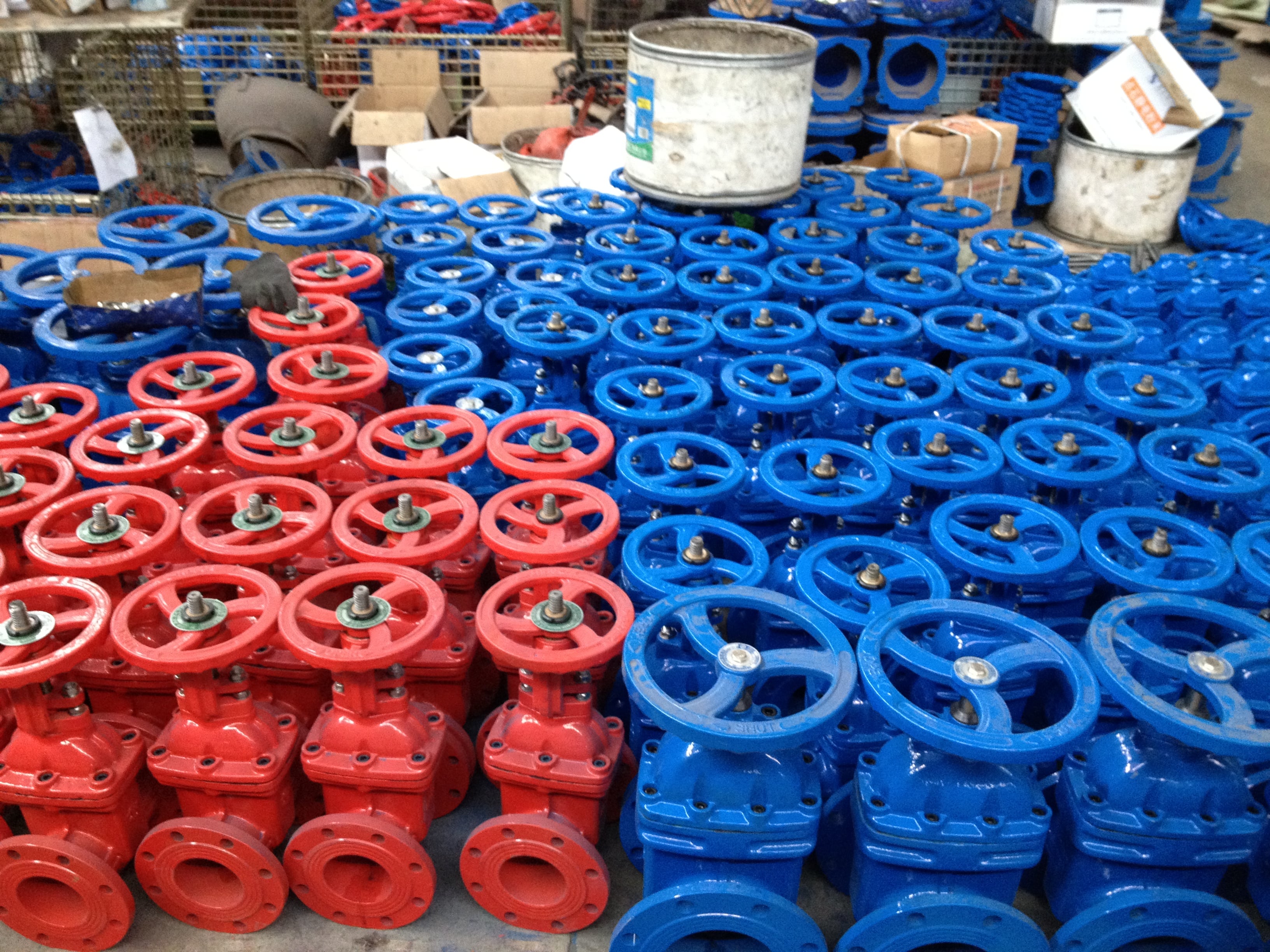
Cost Savings and Total Value Optimization for Manual Valves
Economies of scale: Lower unit cost and reduced procurement overhead per manual valve
When companies buy industrial manual valves in bulk quantities over 50 units, they typically see unit prices drop around 15 to 20%. This happens because manufacturers spread their fixed costs across more products when producing larger batches. The financial benefits don't stop there either. Consolidating these big purchases means companies handle far less paperwork overall. We're talking about cutting down procurement work by roughly 30 to 40% thanks to fewer purchase orders needing processing, simpler relationships with suppliers, and less time spent on quality checks. Maintenance departments benefit too. Having standard valves in stock makes it easier for technicians to get familiar with equipment specifications. Repairs happen faster when everyone knows what parts fit where, which saves money over time without making systems any less dependable in operation.
Price stability: Fixed-rate contracts and hedging against manual valve market volatility
Long-term volume contracts help fix the price of essential manual valves, protecting operations when raw materials swing up and down. Take what happened in 2023 for instance. Duplex stainless steel costs jumped by around twenty-two percent that year, but companies that had already signed those fixed-price deals didn't get hit with unexpected expenses. Another benefit? These contracts give businesses first dibs on supplies when things get tight in the supply chain, like when lead times stretch out for months. Plus they allow purchasing ahead of time when prices drop, letting companies stockpile parts for upcoming expansion projects or regular maintenance work without getting caught short.
TCO trade-offs: When bulk volume increases storage, obsolescence, or handling costs
Buying in bulk definitely cuts down on what we pay upfront for materials, but there's something called Total Cost of Ownership (TCO) that companies need to watch out for. When companies stockpile too much stuff, they end up spending extra money on warehouse space each year somewhere around 8 to 12 percent more. And worst case scenario? The parts might become obsolete if industry specs change over time. A good way around this problem is to work with suppliers who offer just-in-time deliveries and focus on getting valves that fit standard flanges like those specified in ASME B16.5. For facilities dealing with harsh conditions though, storing certain materials requires special containers that resist corrosion, which adds another layer of cost when moving things around. That's why looking at the whole life cycle costs becomes so important. Sometimes those big volume discounts don't actually save money when all these hidden expenses are factored in.
Enhanced Supply Chain Resilience for Critical Manual Valve Inventory
Mitigating lead-time risk with strategic buffer stock of high-demand manual valve models
Keeping some extra stock on hand for those popular manual valves really helps when the supply chain gets shaky. This becomes super important when delivery times stretch past 30 days because materials are scarce or there's some kind of international problem. Having these items already in place stops unexpected shutdowns at factories and turns those wild swings in getting parts into something we can actually manage. Looking at how operations work shows that companies save around 70-75% on costs related to equipment downtime when they do this. Plus, picking which specific parts to keep in stock means warehouses don't get too crowded, and businesses aren't tying up all their cash just sitting on inventory. Buying in larger quantities makes it easier to build these safety nets while still keeping expenses under control, finding that sweet spot between being prepared and spending wisely.
Ensuring continuity across manual valve series for multi-phase industrial projects
Infrastructure projects that run over extended periods really need consistent valves throughout all stages of work—from building them right through to commissioning and ongoing maintenance. When companies buy valves in bulk, they get exactly what they need: same trim materials, matching actuation interfaces, and standardized flanges. This approach cuts down on those frustrating compatibility problems that lead to expensive fixes later on. Believe it or not, something as small as a slight difference in seat shape or pressure rating can cause major headaches down the road requiring costly field adjustments that wipe out any money saved upfront. Getting everything from one big order helps keep track of replacements and maintenance needs throughout the whole life of the assets involved. Industry data shows project managers face around 40% fewer compatibility troubles when working with valves that match perfectly from the same procurement batch. This makes managing assets much smoother and ultimately lowers the overall risk for entire projects.
Logistics and Handling Efficiency in Bulk Manual Valve Procurement
Standardized packaging, palletization, and freight optimization for manual valves
Buying in bulk makes it easier to standardize how things are packed and stacked on pallets, which means less variation in size and faster processing when goods arrive at warehouses. When everything comes in uniform boxes, trucks load better, saving around 25-30% of the time usually spent loading cargo. Plus, these consistent packages protect delicate parts during transport, so things like stem seals and disc surfaces don't get damaged as often. Companies that consolidate their shipments into fewer containers save money too. Industry data shows freight costs drop about 20-25% compared to sending out lots of small orders separately. All these efficiencies point to why many businesses are shifting toward this kind of streamlined logistics approach for their supply chains.
- Pallet configurations designed for compatibility with automated warehouse systems
- Protective material standardization, eliminating custom padding and labor-intensive packaging steps
- Route consolidation, reducing carbon emissions and transit delays
Freight scheduling aligned with production cycles ensures just-in-time availabilityâsupporting lean operations without sacrificing supply chain resilience.
Procurement Process Streamlining Through Volume-Based Manual Valve Sourcing
Consolidating manual valve procurement into bulk agreements eliminates administrative redundancy and accelerates fulfillment. Key gains include:
- Reduced vendor negotiations: One comprehensive contract replaces recurring price discussions
- Simplified purchase orders: Unified documentation supplants dozens of small, error-prone orders
- Accelerated approvals: Pre-vetted terms bypass layered transactional authorizations
- Predictable scheduling: Fixed delivery windows integrate seamlessly with project milestones
Aggregate sourcing lowers per-unit processing costs by 18â27% compared to fragmented procurement modelsâfreeing procurement teams to focus on higher-value activities like supplier quality validation, lifecycle planning, and specification governance. The result is faster project execution, consistent material quality across sites, and measurable resource optimization across industrial operations.
FAQ
- What is Total Cost of Ownership (TCO)? TCO refers to all costs associated with purchasing, operating, and disposing of a product, including hidden expenses such as storage and handling costs.
- How can companies ensure price stability in manual valve procurement? Companies can secure fixed-rate contracts to protect against market volatility and take advantage of hedging opportunities.
- What are the benefits of buying manual valves in bulk? Buying in bulk often reduces unit costs, simplifies procurement processes, and ensures consistency across projects.

