
 EN
EN
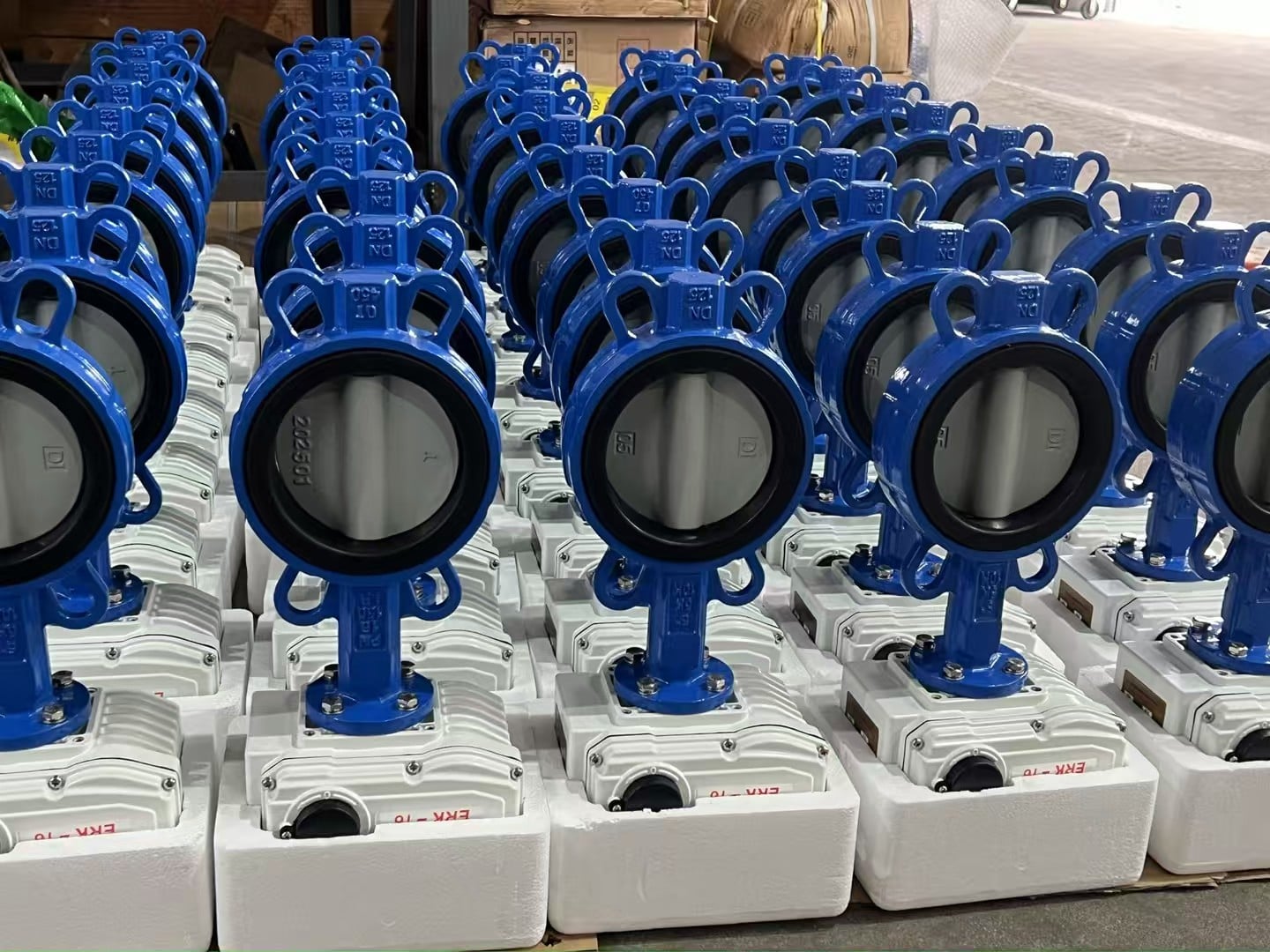
Define Application Requirements Before Customizing Valve Actuators
Matching torque, thrust, speed, and failsafe behavior to OEM process demands
Getting valve actuator specs right for what they need to handle keeps systems running safely and lasts much longer overall. If the torque is too low, valves might stall when pressure spikes hit hard. On the flip side, too much thrust just burns through energy faster and wears components out quicker. For really important processes where things can't fail, we need those fail safe setups like spring return mechanisms that lock valves in place if there's ever a power cut. The thickness of the fluid and how big the pressure differences are makes a real difference in what kind of torque we actually need. Thicker fluids generally require around 20 to 30 percent more torque than normal calculations suggest according to basic fluid movement rules. When looking at speed, operators have to find that sweet spot between how often cycles happen versus potential water hammer issues. Pneumatic actuators stand out here because they can respond within seconds during emergencies, which matters a lot in shutdown situations. And remember to always leave some extra room in the numbers from manufacturers recommendations usually somewhere between 25 and 50 percent when dealing with super hot environments or materials that eat away at equipment over time.
Ensuring positioning precision and feedback resolution for closed-loop control
Applications that need to modulate flow typically call for around 0.5% positioning accuracy plus high resolution feedback from encoders with at least 14 bits to handle those real time process changes. When systems have this kind of precision, PID controllers can actually stick pretty close to their target settings, usually within about 2%, which makes all the difference in things like chemical dosing where small variations matter a lot. The integrated torque profiling feature is another big plus because it spots problems with bindings or worn seals way before they become serious issues, cutting down on unexpected shutdowns by roughly 40% during non stop operation periods. Batch processing gets similar benefits too since the system repeats itself within just 0.1 degree increments, so products come out consistently cycle after cycle. And when it comes to digital communications, protocols like HART send important diagnostic information straight to the DCS without much trouble. This setup helps predict when maintenance will be needed and also keeps signals clean even in places where there's lots of electrical noise hanging around.
Standardize Mechanical and Electrical Interfaces for Reliable Integration
Achieving ISO 5211 and NAMUR compliance for universal mounting and pneumatic interoperability
When different components need to work together, standardized interfaces really help remove those pesky compatibility issues. The ISO 5211 standard makes sure all valve bodies fit properly because it sets specific measurements for things like flange height, where bolts go, and how the drive shaft is shaped. This consistency cuts down on installation time quite a bit, maybe around 30 to 40 percent according to industry estimates. For pneumatic systems, following NAMUR guidelines means parts can talk to each other better. Standard sizes for air ports, pressure ranges between 3 and 15 psi, plus consistent exhaust pathways make everything click into place without extra modifications. These kinds of standards give original equipment manufacturers real advantages when designing and assembling their products.
- Swap actuators across valve brands without retrofit kits
- Maintain pneumatic efficiency through optimized air consumption
- Simplify wiring using plug-and-play electrical connectors
This dual-standard approach mitigates mechanical misalignment and pneumatic leakage, especially critical in high-vibration settings. Third-party validation confirms compliant systems experience 90% fewer integration-related downtime incidents. For modular OEM designs, standardization future-proofs scalability and cuts global engineering overhead by centralizing interface protocols.
Address Industry-Specific Compliance and Environmental Demands
Pharmaceutical: cleanroom-certified materials and dry (non-lubricated) valve actuator operation
In pharmaceutical manufacturing, valve actuators need to be built with sterility and traceability in mind. The cleanroom certified stainless steel alloys used help stop particles from coming loose in those ISO Class 5 environments. And the dry running design means no lubricants can migrate around, which is important because lubricants might contaminate drugs or even encourage microbes to grow. All these specs meet what the FDA cGMP regulations ask for when it comes to parts that touch fluids during production. Manufacturers also run tests according to USP standards like 661 for plastics and 788 for particulates. This whole setup makes sure everything lines up with international pharmacopeia requirements across different regions where these products get sold.
Oil & gas and aerospace: explosion-proofing, corrosion resistance, and alignment with ASME B16.34 or DO-160
When it comes to valve actuators used in oil and gas operations as well as aerospace applications, they need to pass pretty tough environmental and safety tests. For areas where explosions could happen, getting ATEX or IECEx certified means using aluminum housings that won't spark and ensuring proper flame path containment. Offshore environments are brutal on equipment, so corrosion resistant super duplex steel becomes essential when dealing with harsh conditions including hydrogen sulfide exposure. The aerospace sector has its own requirements too, with units needing to meet DO-160 standards for vibrations (up to 15g force) and temperature extremes ranging from minus 65 degrees Celsius all the way to 150 degrees. Manufacturers check pressure boundaries against ASME B16.34 specifications for systems operating at pressures as high as 10,000 pounds per square inch. Equipment that doesn't meet these standards accounts for around 23% of process safety problems according to recent hazard analysis reports from 2023, which really highlights why proper certification matters so much across different industries.
Enable Smart Connectivity and Future-Proof Control Integration
Fieldbus compatibility (HART, PROFIBUS, Modbus TCP) and digital twin–ready valve actuator diagnostics
When fieldbus compatibility gets added to valve actuators, they become smart components in industrial automation systems. Modern systems support protocols like HART, PROFIBUS, and Modbus TCP which lets them talk back and forth with existing DCS platforms. This means no more manual calibration needed and operators can change torque settings or adjust failsafe positions on the fly. What really matters though is how these digital twins collect all sorts of performance data continuously. They track things like vibrations, temperature changes over time, and how often the valves actually cycle through their motions. All this information feeds into predictive maintenance systems. Facilities that adopted this technology saw a massive drop in unexpected downtime around 2026, cutting it down by about three quarters. They could spot problems with bearings wearing out or seals starting to fail long before anything actually broke down. By combining standard connection methods with virtual models, companies protect their investment dollars. They don't need to replace hardware when upgrading to newer IoT platforms. Plus, these systems stay compliant even as safety regulations keep changing and edge computing technology continues to mature.
FAQ
What are the key considerations when customizing valve actuators?
Key considerations include matching torque, thrust, speed, and failsafe behavior to OEM process demands. It's also important to ensure positioning precision and feedback resolution for closed-loop control.
Why is standardization important in valve actuator systems?
Standardization, such as ISO 5211 and NAMUR compliance, is vital for universal mounting, pneumatic interoperability, and reliable integration. It mitigates compatibility issues and reduces downtime.
How do industry-specific requirements impact valve actuators?
Industry-specific requirements for pharmaceutical and oil & gas sectors include cleanroom-certified materials, explosion-proofing, and corrosion resistance, ensuring compliance with specific regulations and safety standards.
What is the role of smart connectivity in valve actuator systems?
Smart connectivity through fieldbus compatibility and digital twin diagnostics enables real-time performance monitoring and predictive maintenance, minimizing unexpected downtime and ensuring future-proof control integration.

