
 EN
EN
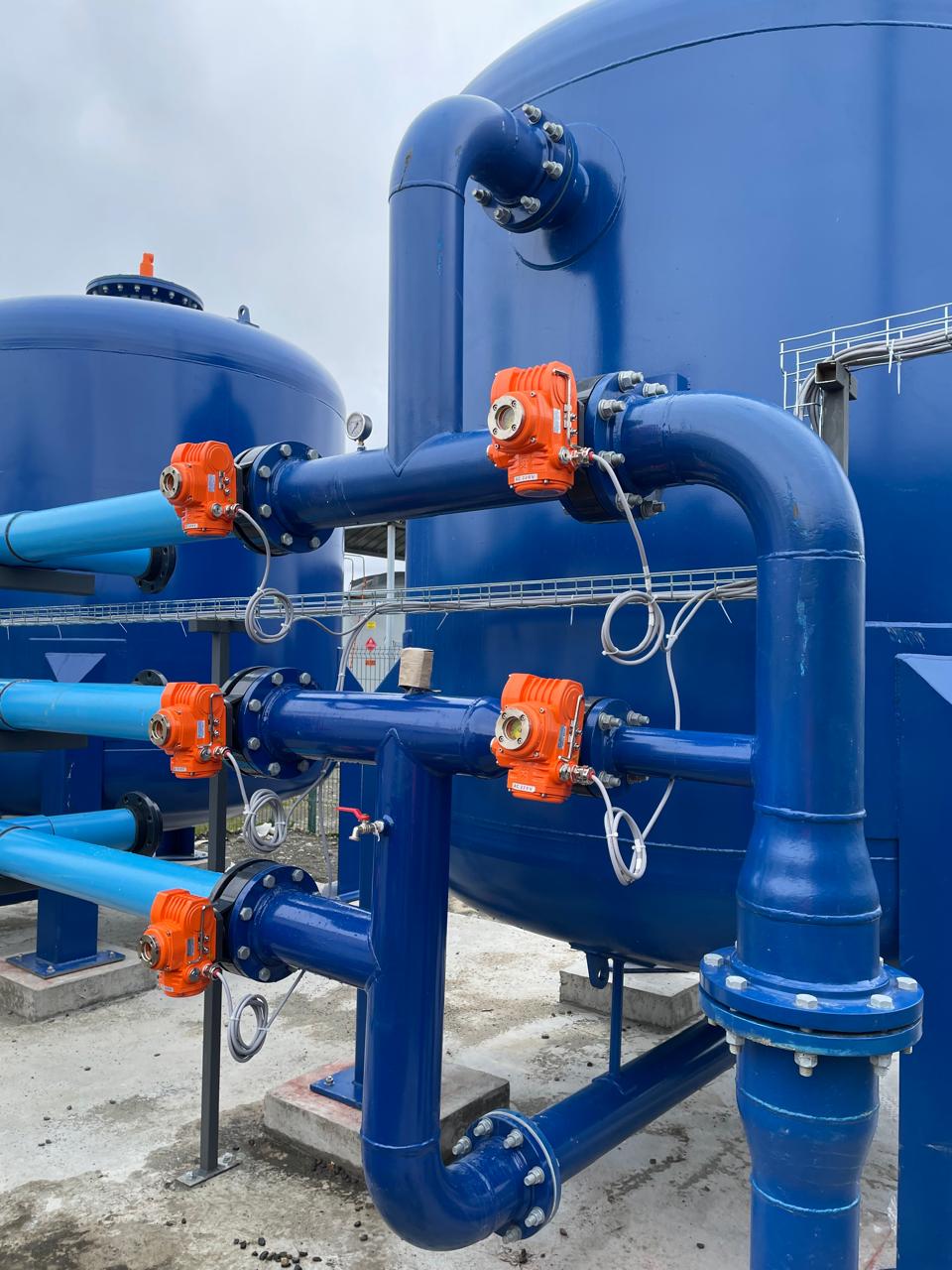
Electric Valves and Total Lifecycle Cost Optimization
Balancing Upfront Investment Against Long-Term Operational Savings
Focusing too much on cheap upfront prices when picking valves usually ends up costing more in the long run because of all the problems that come with inefficient systems, early breakdowns, and constant fixes. When companies actually look at what they spend over time with Total Cost of Ownership calculations, electric valves turn out to be better investments even though they cost more initially. These valves have precise movement mechanisms, solid build quality, and smart controls that cut down energy consumption for pumping systems somewhere around 15 to maybe 25 percent. Plus, they last about 8 or 9 years longer than regular air-powered valves. Real world testing across various industrial settings shows this makes a big difference too. Maintenance teams report needing to schedule repairs about 40% less often, and there are far fewer unexpected shutdowns. That matters a lot since fixing things when they break and keeping equipment running smooth eats up well over half of what most plants spend operating day to day.
3–5 Year ROI: How Reduced Maintenance, Downtime, and Energy Use Offset Higher Initial Cost
Electric valves typically achieve full payback within 36–60 months through three interlocking savings streams:
- Energy efficiency: Eliminating compressor dependency and enabling continuous throttling cuts power consumption by an average of 19.3 kWh/year per valve—verified in peer-reviewed analysis published by the Fluid Systems Journal (2023)
- Maintenance reduction: Brushless DC motors and self-diagnosing firmware lower annual upkeep costs by $540 per unit, removing routine brush replacements and manual calibration
- Downtime prevention: Integrated position sensors and predictive diagnostics reduce failure-related production losses by 78%, based on multi-site benchmarking across water and chemical processing facilities
This rapid return transforms capital expenditure into a strategic operational asset—with lifecycle savings exceeding the original purchase price by 300% over a 15-year horizon.
Energy Efficiency Gains in Pumping and Process Systems
Electric valves as precision flow controllers that cut pumping energy consumption
Electric valves act as pretty accurate flow controllers, matching what the system actually needs at any given moment without creating unnecessary pressure losses. Traditional throttling valves work differently, forcing pumps to push against made-up resistance, whereas electric models adjust flow with much less hydraulic waste. Pumping systems alone eat up about 20% of all industrial electricity worldwide, so even small improvements in efficiency can really add up over time. We've seen real world results too: in things like heating ventilation systems, water treatment plants, and industrial cooling processes, these smart valves cut down on energy consumption somewhere between 20 to 35 percent. The reduced power draw means less need for extra cooling equipment and avoids those costly peak demand charges from utility companies. Combine them with variable speed drives and built-in control logic, and today's electric valves can automatically adjust themselves when process conditions change, saving money on energy bills while still maintaining good control and system reliability.
Simplifying System Architecture and Integration Costs
Embedded intelligence eliminating external sensors, wiring, and feedback loops
Old school valve systems typically have multiple layers working together: position sensors here, analog wiring there, external PLCs somewhere else, plus all those manual calibration loops. All these parts drive up integration costs in ways people often overlook. We're talking about money spent not only on buying equipment, but also on engineering hours, installation delays, and validating everything works properly after setup. Modern electric valves equipped with microprocessors and smart diagnostic software change this whole equation. They get rid of those standalone sensors completely, bring all communications together using standard digital protocols like Modbus TCP or IO-Link, and cut down wiring requirements by roughly 40 to 60 percent. Since there's no longer a need to match calibration settings between different devices, getting systems ready for operation happens much quicker and consistently every time. The reduced number of physical connections means there are simply fewer places where things can go wrong, making the entire system more robust against failures while making it easier to figure out what broke when problems do occur. At the end of the day, this translates into real savings on overall integration expenses and shorter timelines for completing projects.
Accelerating Specification, Sizing, and Project Execution
Electric valves really cut down on engineering time because they standardize so many decisions that used to take forever. With pre-made torque curves, already tested flow coefficients (those Cv numbers everyone talks about), and ready-to-go control logic, engineers save themselves weeks of manually calculating sizes and designing those complicated feedback loops. Most folks don't even have to figure out actuator specs from scratch anymore or spend hours checking where sensors should go for proper feedback – the valves come with built-in diagnostics that do all that work automatically. We've seen commissioning times drop anywhere between 30% to almost half when comparing these electric systems to old school pneumatic ones, especially in water treatment plants and similar infrastructure projects. Manufacturers are getting even faster by leveraging digital twin technology which generates material lists and connection diagrams automatically, cutting down on those annoying procurement delays and specification mistakes that always seem to pop up. What this means practically is that what used to be a months long process of selecting valves has become something that can be done in just a few days, letting engineers focus their time on bigger picture optimizations instead of getting bogged down in component details.
FAQ
What are the long-term benefits of using electric valves?
Electric valves offer long-term benefits such as improved energy efficiency, reduced maintenance costs, longer lifespan, and fewer unexpected shutdowns. This leads to lower operational costs over time and a significant return on investment.
How do electric valves save energy in industrial systems?
Electric valves function as precision flow controllers, which minimize unnecessary pressure losses. They adjust flow efficiently without creating hydraulic waste, thus reducing the overall energy consumption of pumping systems.
Are electric valves easy to integrate into existing systems?
Yes, modern electric valves with embedded intelligence simplify system architecture by eliminating the need for standalone sensors and external wiring. This reduces integration costs and makes it easier to set up and maintain the systems.
How quickly can companies expect a return on investment (ROI) when using electric valves?
Companies typically achieve full payback within 3 to 5 years through energy savings, maintenance reduction, and downtime prevention provided by electric valves.

