
 EN
EN
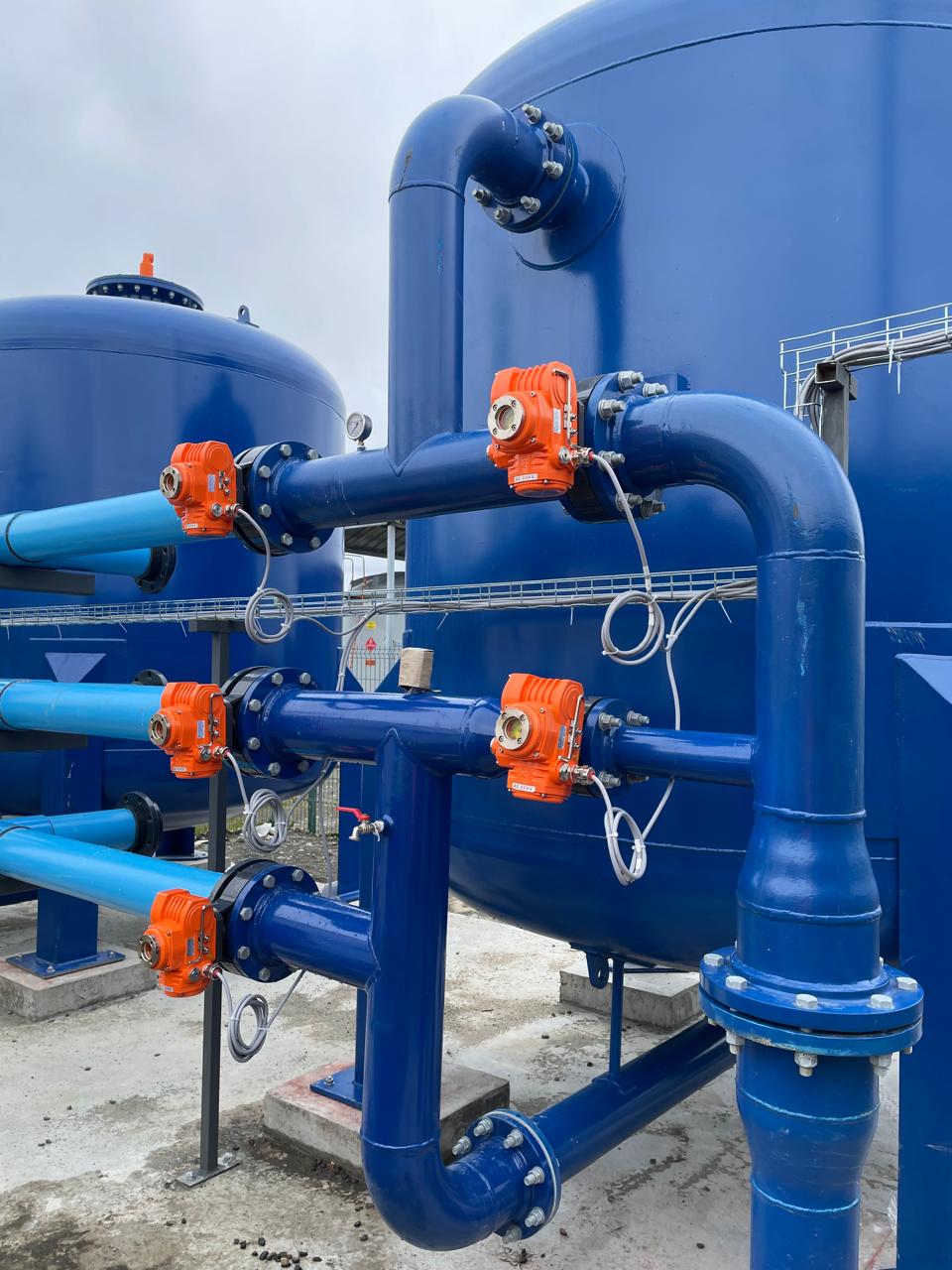
Assess Mechanical Compatibility: Mounting, Flange, and Interface Standards
Mechanical compatibility forms the cornerstone of reliable valve actuator integration. Standardized coupling systems eliminate misalignment risks that cause premature wear.
ISO 5211 and DIN 3337 Coupling Alignment Between Valve Stem and Actuator Output Shaft
The ISO 5211 and DIN 3337 standards set out what manufacturers need to know about how valves connect to their actuators. Basically, these specs make sure parts from different companies can work together without issues. They look at things like the size of square drives, measurements between flats, how much space there should be around the shaft (usually within plus or minus 0.1 mm), and how stiff the connection needs to be against twisting forces. When everything lines up properly, it stops the kind of sticking that happens when turning valves a quarter turn. This sticking actually causes most of the problems we see with bent shafts in ball valve systems. Some recent field testing indicates following these standards cuts down on failures by about two thirds when equipment goes through temperature changes back and forth. That finding comes from Fluid Controls Journal research published last year.
Flange Interface Dimensions and Pipe Size Constraints in Retrofit Valve Actuator Installations
When retrofitting actuators, getting the right flange fit is absolutely critical if we want to prevent leaks, stress points, or problems with bolts failing under load. A lot of folks run into trouble because they mix up standards like ASME B16.5 against DIN metric bolt circles. There are also issues with Nominal Pipe Sizes that go beyond what ANSI tolerances allow, plus differences in how gaskets compress on raised face versus flat flange designs. It's essential to check that the pressure rating on those flanges matches what's already in the pipeline system. And don't forget about thermal expansion differences in hot systems either. This matters a lot when valves, actuators, and pipes are made from different materials since they expand at different rates when heated.
Pressure Rating, Material Compatibility, and Corrosion Resistance Across Valve–Actuator–Pipeline Interfaces
Material incompatibility causes 37% of actuator seal failures in corrosive environments (Process Safety Report, 2023). Key considerations include:
| Factor | Valve Actuator Consideration | Pipeline Impact |
|---|---|---|
| Pressure Rating | Must exceed max system surge pressure | MAT validation required |
| Galvanic Potential | Bronze actuators on carbon steel valves | Accelerated corrosion risk |
| Chemical Resistance | NACE MR0175 compliance for H¢¢S service | Crack propagation prevention |
Stainless steel actuators often pair with carbon steel valves using isolation kits. Offshore applications increasingly specify duplex stainless steels for chloride resistance above 5,000 ppm concentration.
Size the Valve Actuator by Torque, Thrust, and Valve Type Requirements
Matching Quarter-Turn vs. Multi-Turn Actuators to Ball, Butterfly, Gate, and Globe Valves
Getting valve actuators to match up properly with the valve mechanics is really important if we want full stroke movement, good sealing when closed, and reliable performance over time. Quarter turn actuators work well with ball valves and butterfly valves since these need about a 90 degree twist to operate. Multi turn actuators on the other hand are meant for gate valves and globe valves which have those threaded stems that require several complete turns. When people install the wrong kind of actuator, problems start happening pretty fast. Valves won't close all the way, seals get pushed out of place, stems can strip, and everything fails much sooner than expected. According to industry data, around 38 percent of actuator failures during retrofits happen because of this mismatch issue. So getting the right combination isn't just recommended it's absolutely essential for proper system function.
| Valve Type | Actuator Motion | Rotation Range | Force Direction |
|---|---|---|---|
| Ball/Butterfly | Quarter-Turn | 0¬°–;90¬° | Rotary |
| Gate/Globe | Multi-Turn | 360¬°+ | Linear |
Torque Calculation Fundamentals: Valve Size, Differential Pressure, Fluid Viscosity, and Packing Friction
Accurate torque sizing is essential to overcome operational resistance without overengineering. Critical variables include:
- Valve size: Torque demand scales exponentially with diameter—doubling valve size can quadruple required torque
- Differential pressure: High ÎP systems require 20–;50% additional torque to seat the disc or wedge
- Fluid viscosity: Heavy oils or slurries increase rotational resistance significantly
- Packing friction: Stem seals contribute 15–;30% of total torque load, especially at startup
The torque required to get something moving from a standstill, known as breakaway torque, is usually about 25 to 40 percent higher than what's needed once it's already in motion because of static friction forces at play. When actuators are too small for the job, they simply can't handle those initial peaks and end up stalling out. On the flip side, going too big wastes power, causes extra wear on components, and actually makes fine control harder to achieve. These days, good torque analysis software takes into account not just basic calculations but also includes safety buffers, looks at how loads change over time, and factors in actual friction values measured in real world conditions. This approach helps avoid total system failures especially when working with equipment where pressure levels are extreme or where safety really matters.
Integrate Power Source and Control Signals with Legacy Pipeline Infrastructure
Selecting Pneumatic, Electric, or Hydraulic Valve Actuators Based on On-Site Utilities and Environment
Choosing the right actuator power source really comes down to what's already there and what kind of environment we're dealing with, not just what someone prefers. When compressed air lines are running through the facility and there are safety concerns like those Zone 1 hazardous areas, pneumatic actuators tend to be the way to go. Electric models give us that pinpoint accuracy and smooth modulation control, plus they play nicely with most DCS and SCADA systems these days. But keep in mind they need steady power supply and won't tolerate extreme temperatures too well. Hydraulic actuators pack a punch when space matters, which makes them great choices for places like offshore platforms or anywhere with lots of vibration where oil based systems are already in place. And don't forget to check out the surrounding conditions before picking materials and enclosures. Moisture, sunlight, salt from the sea air, or chemical fumes can all eat away at components over time if we aren't careful about our selections.
Ensuring Signal Compatibility (4–;20 mA, HART, Modbus) and Fail-Safe Performance (Spring-Return, NEMA/IP Ratings)
Getting signal compatibility right is key when integrating new equipment with older control systems. The good old 4-20 mA analog signal still works great with most existing PLCs and controllers out there. HART technology takes things further by adding digital diagnostics to those same analog loops without needing any rewiring work. This gives maintenance folks valuable predictive insights they can act on before problems happen. When it comes to networking options, Modbus RTU or TCP protocols handle scalability pretty well across different asset distributions in plant settings. Safety first always matters though. Spring return actuators automatically close valves when power cuts out or air supply fails, which makes them indispensable for emergency shutdown situations. And don't forget about enclosure ratings either. Equipment housed in NEMA 4X or IP66 rated enclosures stays protected from dust and water ingress, something absolutely necessary for installations outdoors, in food processing areas, or aboard ships. These protections cut down on unexpected downtime and help equipment last longer between replacements.
FAQ Section
What are ISO 5211 and DIN 3337 standards?
The ISO 5211 and DIN 3337 standards are specifications for aligning valve stems and actuator output shafts to ensure compatibility and prevent mechanical issues.
Why is flange interface dimension important in actuator retrofits?
Correct flange interface dimensions are crucial to prevent leaks and mechanical stress, ensuring proper installation and operation of valve actuators during retrofits.
How do you ensure signal compatibility in older control systems?
Signal compatibility can be ensured by using technologies like 4-20 mA analog signals, HART, and Modbus protocols, which work well with existing systems.
Table of Contents
- Assess Mechanical Compatibility: Mounting, Flange, and Interface Standards
- Size the Valve Actuator by Torque, Thrust, and Valve Type Requirements
-
Integrate Power Source and Control Signals with Legacy Pipeline Infrastructure
- Selecting Pneumatic, Electric, or Hydraulic Valve Actuators Based on On-Site Utilities and Environment
- Ensuring Signal Compatibility (4–;20 mA, HART, Modbus) and Fail-Safe Performance (Spring-Return, NEMA/IP Ratings)
- FAQ Section
- What are ISO 5211 and DIN 3337 standards?
- Why is flange interface dimension important in actuator retrofits?
- How do you ensure signal compatibility in older control systems?

