
 EN
EN
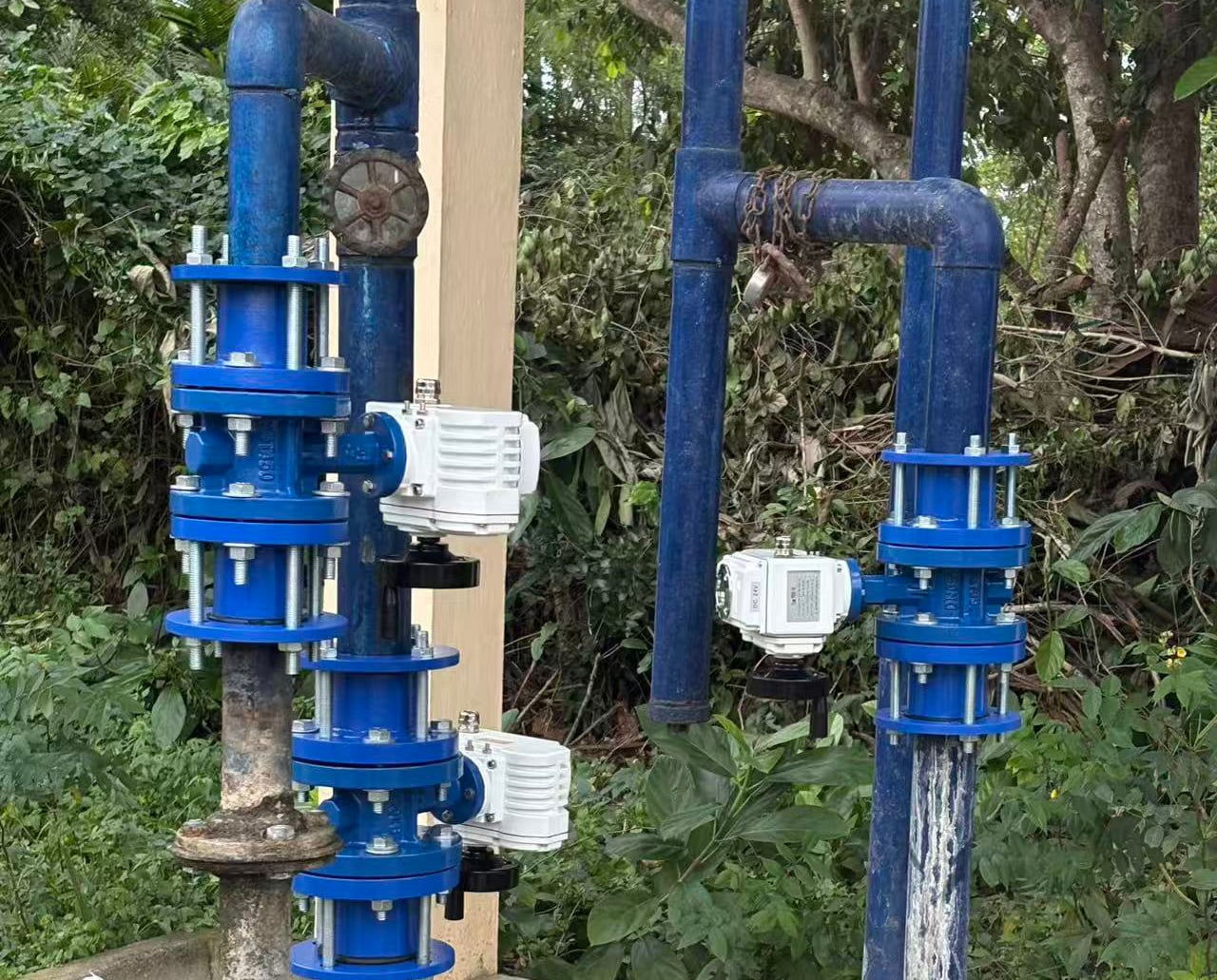
Selecting the Right Electric Valve Type for High-Volume Applications
Matching Core Valve Architecture (Ball, Butterfly, Solenoid) to System Function and Duty Cycle
Picking the right valve setup means matching how it's built with what needs to be done operationally. Ball valves are great because they seal really well and don't let much pressure escape, so they work best when switching between open and closed positions many times during chemical processes. Butterfly valves tend to be cheaper options for controlling flow through big pipes, which is why we see them all over water treatment plants. And then there are solenoid valves that respond super fast, sometimes under 100 milliseconds, which makes them perfect for those critical emergency shut down scenarios where every second counts.
When picking equipment, duty cycle matters a lot. Systems running nonstop day after day need tough seals made from heat resistant stuff, whereas those used now and then can get away with lighter builds. For installations where valves open and close over 10 thousand times annually, going with stainless steel ball valves paired with PTFE seats really helps stop those seals from wearing out so fast. Getting the right valve for what it needs to do cuts down on repairs significantly too. Some folks in the business say maintenance bills drop around 30% when valves match their intended purpose properly, though exact numbers vary depending on conditions and how well everything was installed originally.
Sizing and Flow Characterization for Consistent Performance Across 100+ Units
Getting the flow characteristics right is really important for making sure all those electric valves work consistently when deployed in large numbers. The engineers need to figure out these Cv numbers for every section of pipe they're working with. They have to take into account things like how thick the fluid is, what temperature it's at, and those pressure differences between points. If the valves are too small, there will be problems with pressure drops and cavitation issues down the line. On the flip side, if they install valves that are way too big, controlling them becomes difficult especially when dealing with low flow situations. This matters a lot when trying to get exactly the same performance from hundreds of identical units spread across an installation site.
Flow characteristics should match control objectives:
| Application Need | Optimal Characteristic | Performance Benefit |
|---|---|---|
| Precise throttling | Equal percentage | ±2% accuracy in mid-range flows |
| Level control | Linear | Proportional response to signal changes |
| Fast shutdown | Quick opening | 90% flow in first 30% of stroke |
Standardizing Cv values and flow characteristics across bulk orders eliminates commissioning delays and ensures interchangeability. Pressure testing sample units at 1.5 times the maximum operating pressure verifies performance consistency before full deployment.
Material and Environmental Compatibility for Reliable Bulk Electric Valve Deployment
Corrosion Resistance, Fluid Media Compatibility, and Temperature/Pressure Ratings
The choice of materials makes all the difference when it comes to how long electric valves will last and how reliable they remain during large scale installations. The body parts along with everything inside needs to stand up against chemicals found in various process fluids including plain old water, different kinds of hydrocarbons, strong acids, and even harsh solvents. Stainless steel works great because it doesn't rust easily even when exposed to pretty aggressive chemicals. For those lower pressure water applications, brass tends to be the go to material. When dealing with super hot steam at high temperatures, carbon steel becomes the better option. And let's not forget about engineered plastics such as PTFE which actually handle extremely corrosive substances quite well. Each material has its place depending on what exactly the valve will encounter day after day.
Temperature and pressure ratings are equally vital. Exceeding thermal limits—such as surpassing 200°C with standard elastomer seals—can lead to seal failure, while operating beyond pressure ratings risks catastrophic rupture. In corrosive offshore or high-chloride environments, duplex stainless steels or nickel-based alloys extend service life significantly.
Matching material specifications across large valve fleets ensures consistent performance and avoids premature failures. According to a 2023 Ponemon study, mismatched materials contribute to unplanned downtime costing industrial plants an average of $740,000 annually.
| Factor | Material Options | Key Application Considerations |
|---|---|---|
| Corrosion Resistance | Stainless steel, alloys | Fluid pH, chlorides, Hâ‚‚S exposure |
| Temperature Range | PTFE seals, metal alloys | Thermal cycling, expansion coefficients |
| Pressure Rating | Carbon steel, forged bodies | Surge potential, safety margins |
Standardizing Actuation and Control Specifications Across Bulk Electric Valve Orders
Voltage, Signal Protocols (4–20 mA, Modbus), and IP/Explosion-Proof Certification Requirements
Getting all the electrical specs straight from the start makes it much easier when working with multiple electric valves in industrial settings. The voltage needs to be set early on. Most low power instruments run on 24 volts DC, whereas bigger actuators typically need either 120 or 240 volts AC. When different units require different voltages, problems tend to pop up down the line. Control systems might fail completely, or worse still, engineers end up spending extra money on those expensive field adapters that nobody really wants to deal with in the first place.
The signal protocols need to match up too. The old school 4-20 mA analog signals still do their job fine for simple valve control tasks. But when dealing with complicated systems, digital options such as Modbus TCP really shine because they allow for detailed diagnostics and proper network integration. Now looking at dangerous areas, equipment needs to have good protection ratings like IP66 or IP68 to keep out dust and moisture. And don't forget about those places where explosive gases might be hanging around. Explosion proof approvals from ATEX or IECEx standards become absolutely necessary there. Safety first always applies in these situations.
Facilities that standardize these parameters report a 67% reduction in integration errors, based on a 2023 plant automation study. Clearly specifying all electrical and safety requirements in procurement orders prevents non-compliant substitutions during bulk delivery.
Project-Specific Engineering Customizations for Seamless Electric Valve Integration
Modular Mounting, Extended Stems, Panel Interfaces, and OEM Labeling Options
Large-scale deployments benefit from targeted engineering modifications that simplify installation and improve system coherence. Modular mounting kits enable quick adaptation to space-constrained or non-standard configurations without custom fabrication, reducing installation time by 25–40% according to 2023 fluid handling benchmarks.
Extended stems ensure reliable actuation in deep-pit installations or insulated pipelines where standard shaft lengths are insufficient. Consolidated panel interfaces centralize control wiring—streamlining connections for Modbus or 4–20 mA signals and reducing commissioning errors.
For fleet-wide traceability and consistency, OEM labeling with laser-etched tags or permanent part markings ensures each unit is easily identifiable and auditable. These customizations transform off-the-shelf valves into integrated system components engineered for reliability under specific operational conditions.
FAQ
What are the main types of electric valves used in high-volume applications?
The main types of electric valves used in high-volume applications include ball valves, butterfly valves, and solenoid valves, each suited to different operational requirements and duty cycles.
Why is material choice important for electric valve deployment?
Material choice is crucial because it affects the valve’s resistance to corrosion, compatibility with different fluid media, and ability to withstand specific temperature and pressure ratings, ensuring reliability and longevity.
What are flow characteristics and why are they important?
Flow characteristics such as Cv values are important because they ensure consistent performance across multiple units, prevent issues like pressure drops, and optimize control objectives to meet application requirements.
How does standardizing actuation and control specifications reduce errors?
Standardizing actuation and control specifications minimizes integration errors by ensuring compatibility in voltage, signal protocols, and safety certifications, reducing the chance of non-compliant substitutions during bulk orders.
What engineering customizations benefit electric valve deployments?
Engineering customizations such as modular mounting, extended stems, and OEM labeling options enhance installation efficiency, improve system integration, and ensure traceability across large-scale deployments.
Table of Contents
- Selecting the Right Electric Valve Type for High-Volume Applications
- Material and Environmental Compatibility for Reliable Bulk Electric Valve Deployment
- Standardizing Actuation and Control Specifications Across Bulk Electric Valve Orders
- Project-Specific Engineering Customizations for Seamless Electric Valve Integration

